
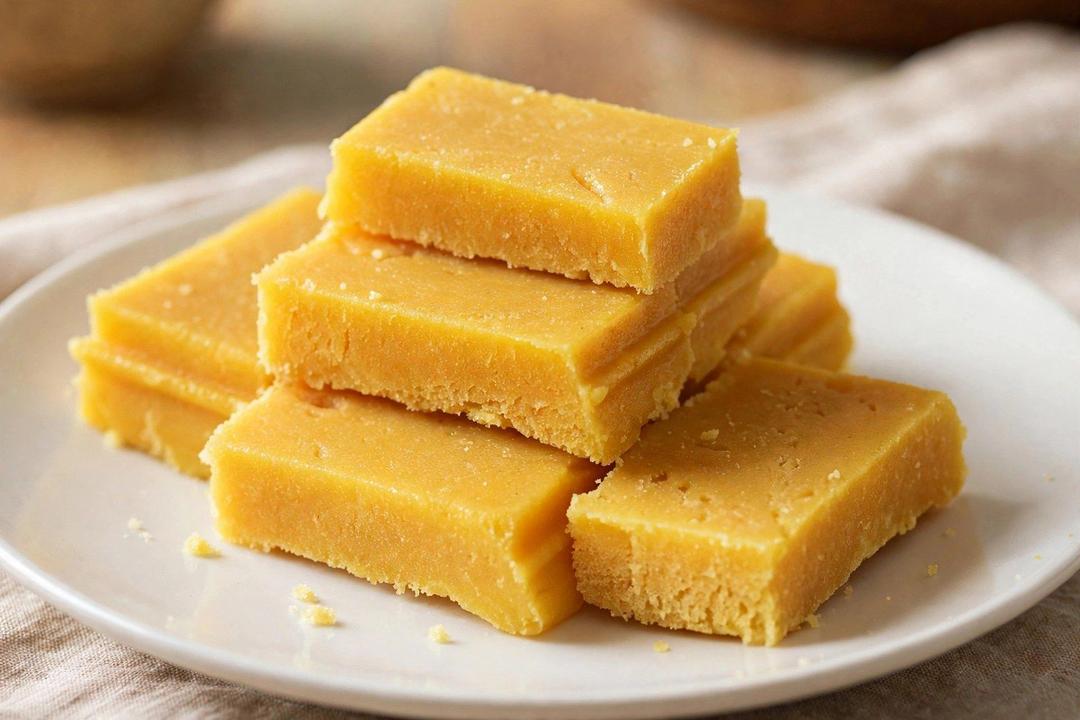
Mysore Pak
Karnataka, India
Also known as Mysuru Pak in Karnataka, India
SweetVegetarian
AI-assisted · Human-reviewed · Not kitchen-tested
Allergens: not checked yet. Read the ingredient list and every product label before cooking.
Sign in to save favorites. Sharing instead of copying keeps this library free.
Sharing instead of copying keeps this library free.
A brown layer stuck to the pan and a toasty or burnt smell in a milk sweet.
Sweet enough, but nothing stands out: it tastes of sugar and little else.
Cloying from the first bite: the sugar hides every other flavour.
Not available yet. We only show storage times backed by food-safety sources, and we haven’t verified this dish yet. If in doubt, throw it out.
Share a storage tip: coming soon
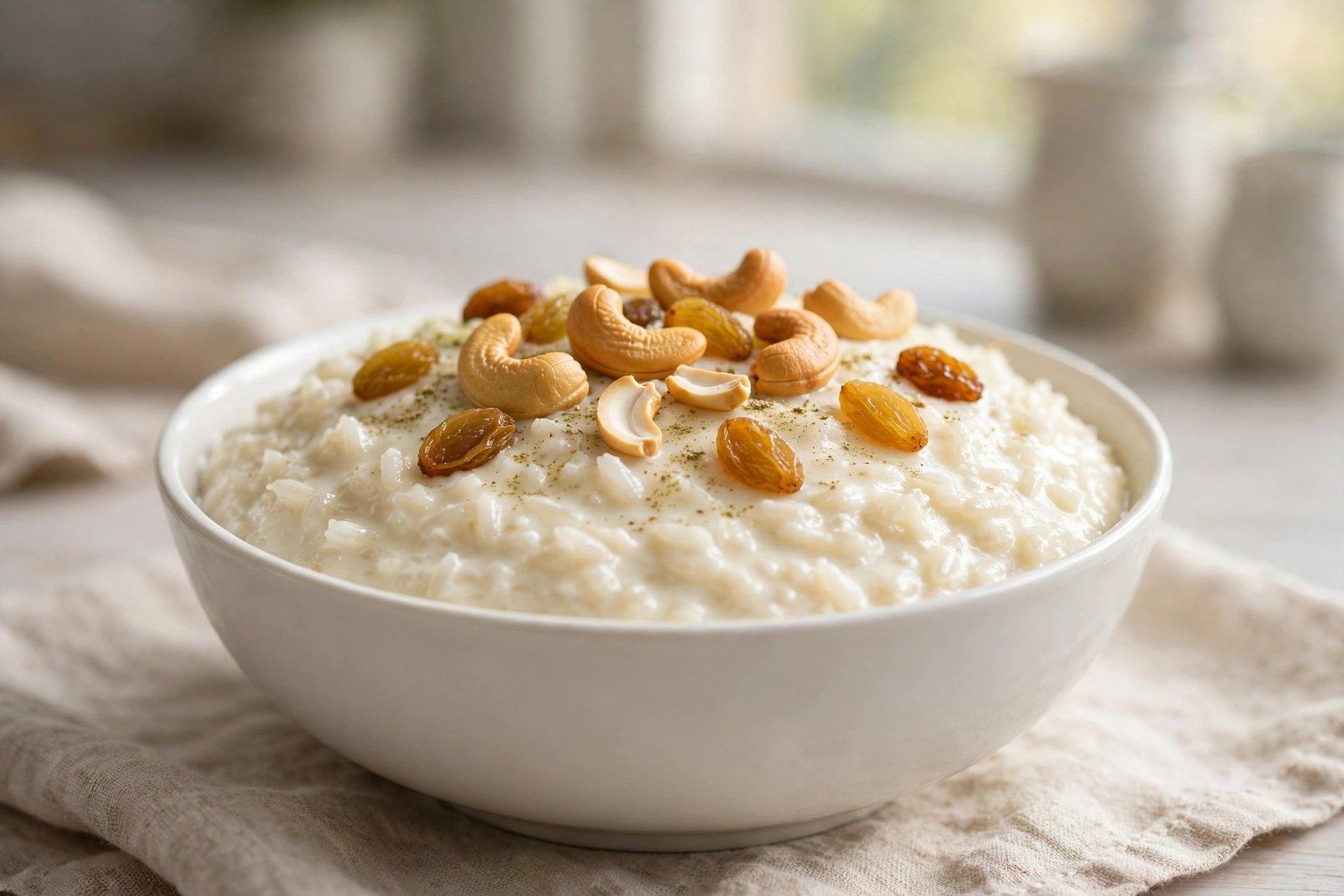
In Bengal, no auspicious day is complete without payesh - the word poromanno, 'supreme food', signals that it is what one offers the gods and serves guests on the happiest occasions. The hallmark of a true Bengali payesh is the bay leaf simmered in the milk, a flavouring unknown to the kheer of other regions, and the fragrant Gobindobhog rice that gives the pudding its distinctive body. During Durga Puja it is cooked as part of the bhog and offered to the goddess before anyone else tastes it - the first spoonful belongs to the deity.
Submissions are read by our team before anything appears publicly.
Public, checked by a moderator before they appear.
Editing comments and view counts: coming soon.
Recipe adapted from: Kitchen of Debjani - Chaler Payesh or Bengali Rice Kheer Aahaaram Online - Chaler Payesh | Bengali Rice Kheer — rewritten in our own words.
Keep exploring
Same region first, then the same season.
Karnataka, India
Maharashtra, India
Maharashtra, India
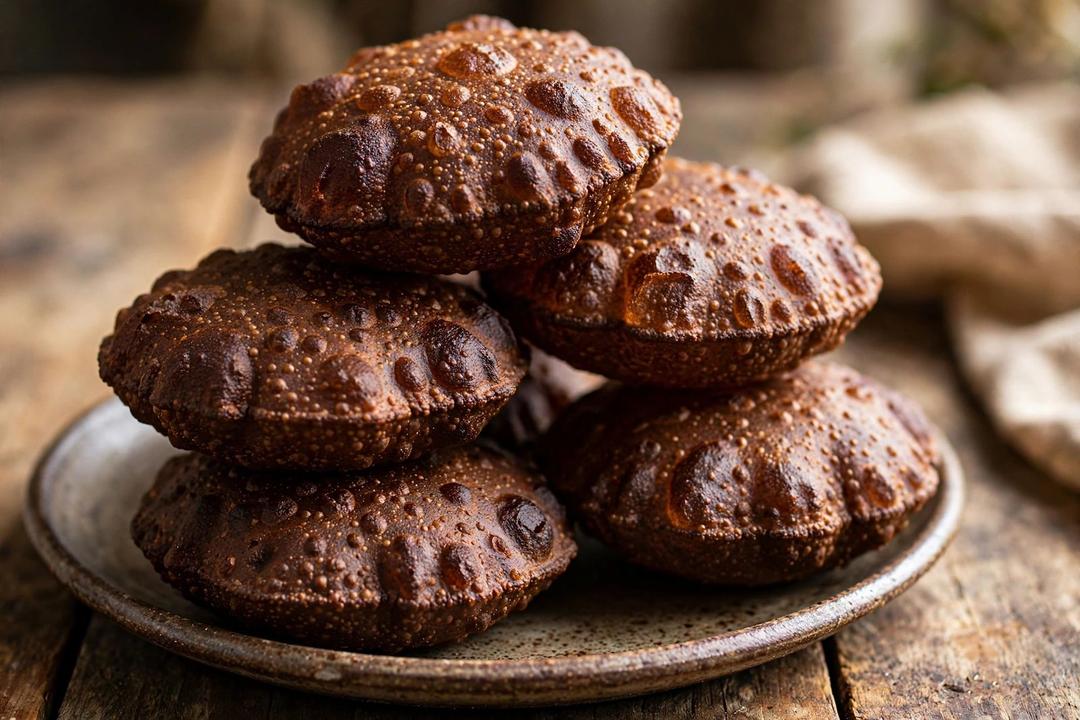
North India, India
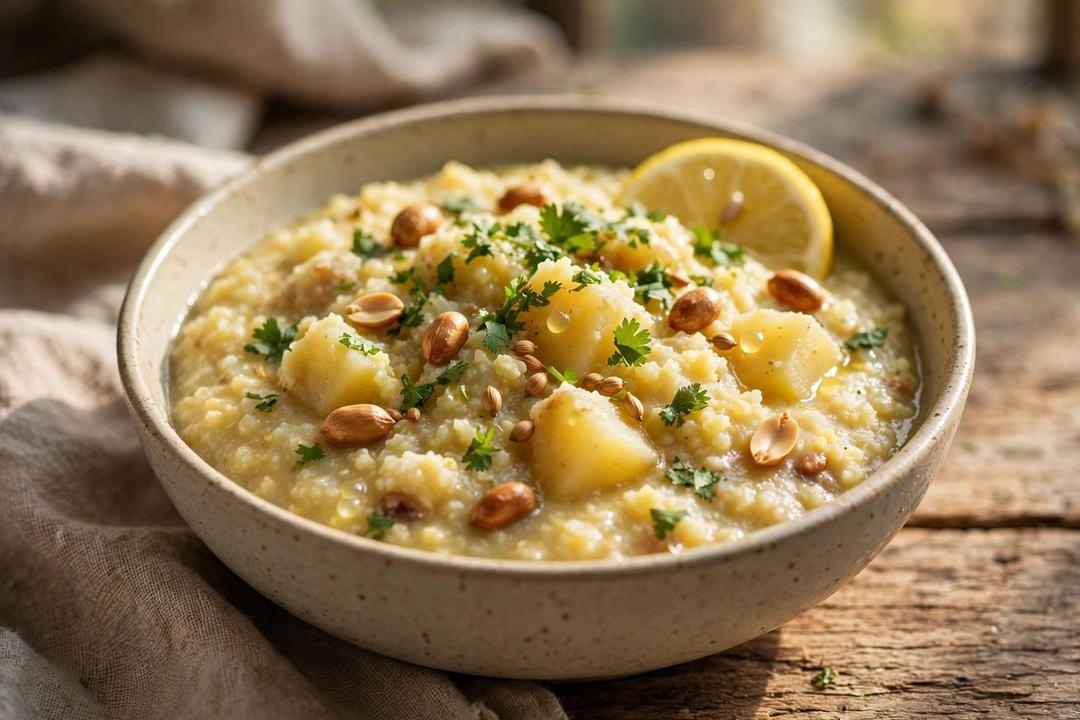
Maharashtra, India
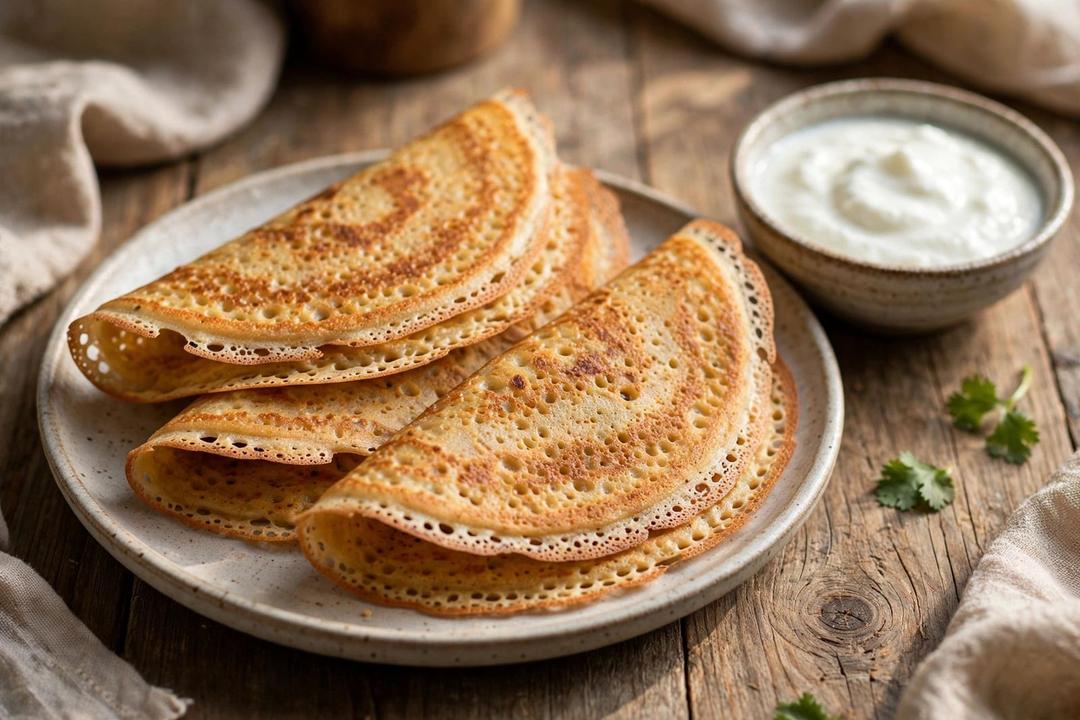
North India, India
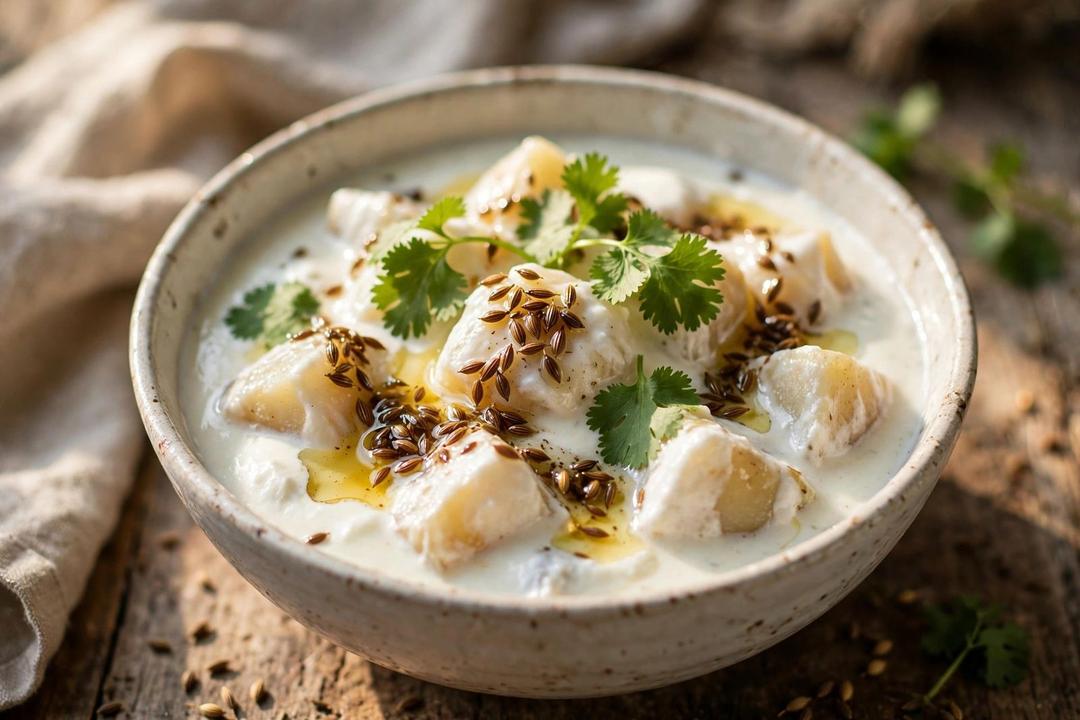
Rajasthan, India
North India, India
North India, India
Rajasthan, India
North India, India
North India, India