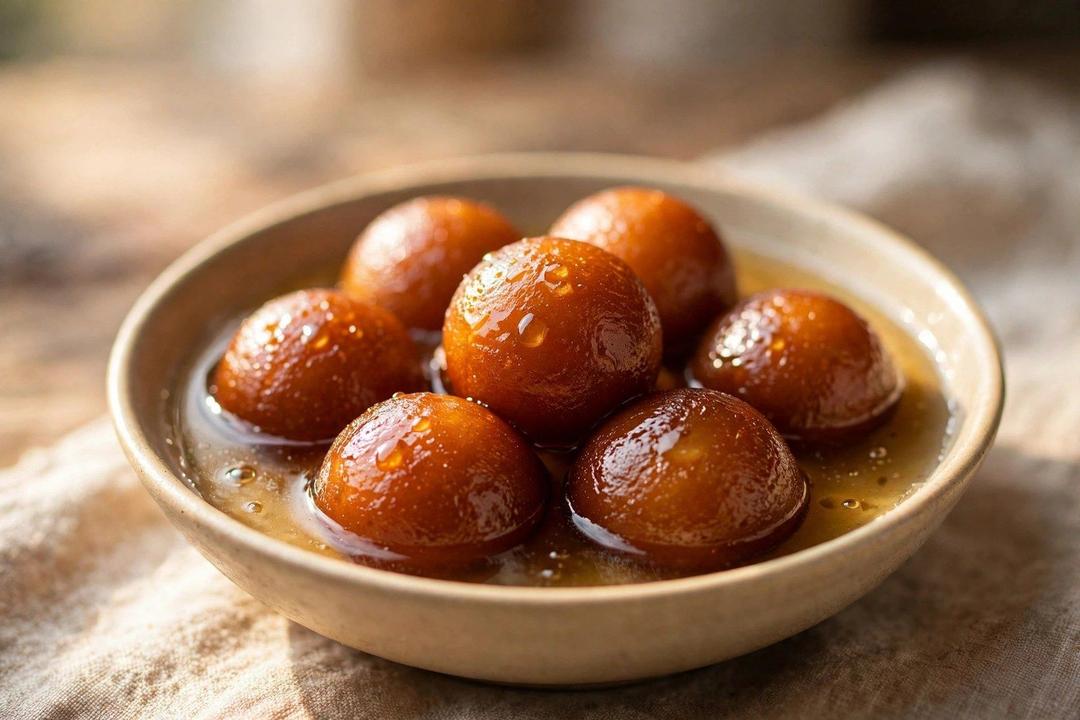
West Bengal, IndiaAutumnSweetVegetarianFestiveKids love it
Prep 40 min · ≈150 kcal per serving (estimated)
AI-assisted · Human-reviewed · Not kitchen-tested
Allergens: not checked yet. Read the ingredient list and every product label before cooking.
Sign in to save favorites. Sharing instead of copying keeps this library free.
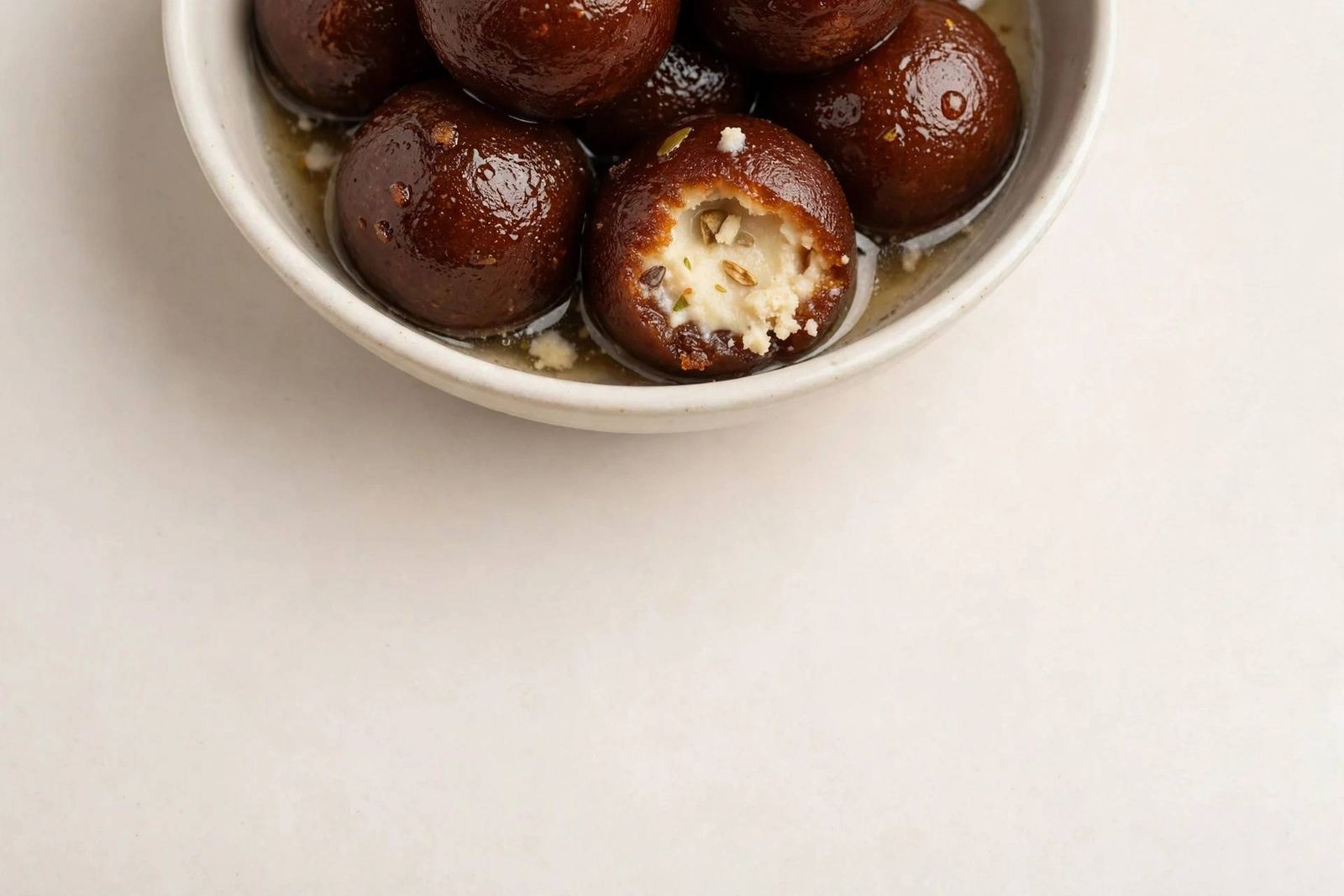
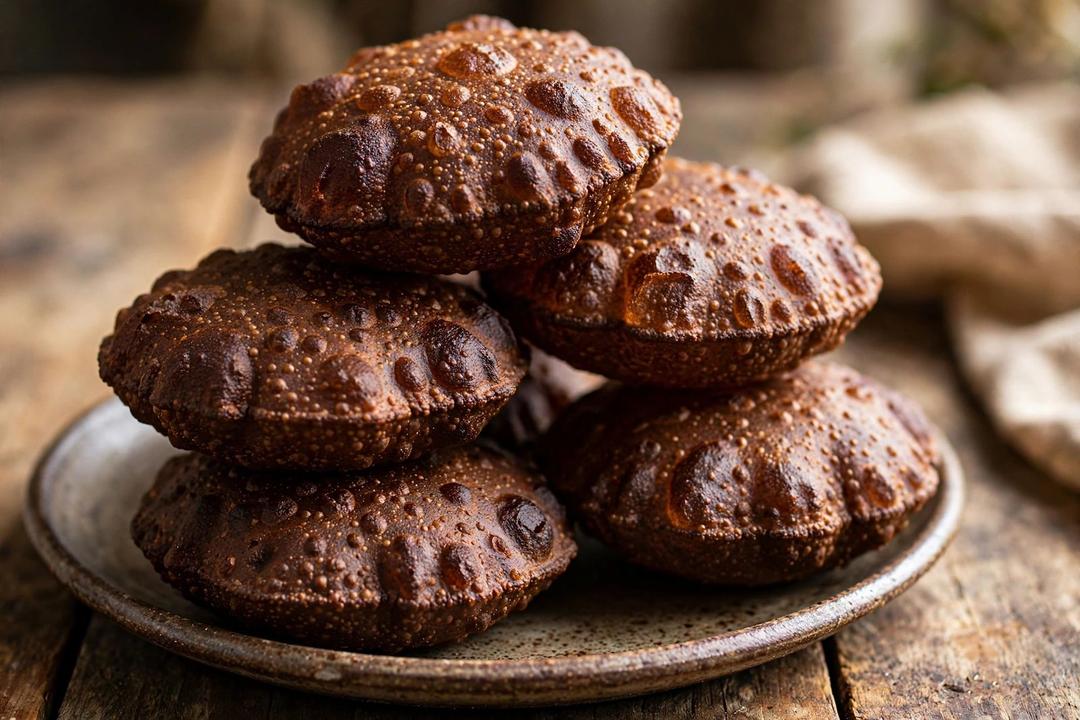
Pantua
The chhena (fresh cheese)
1.5 litres full-cream milk
Juice of 2–3 lemons
The syrup
2 cups sugar
4 cups water
The dough
1/3 cup semolina (sooji), plus 1 tbsp more if needed
1/4 cup all-purpose flour (maida), plus 1 tbsp more if needed
1 tbsp ghee
The filling
1/4 cup khowa (dried milk solids), grated
Seeds of 4–5 green cardamoms
For frying
Ghee or neutral oil, for deep frying
Method
Curdle the milk with lemon juice, strain in muslin, and press with a weight for 15–20 minutes until the chhena is firm and as dry as possible (about 300 g). Wet chhena makes a sticky dough.
Boil the sugar and water to a one-string syrup; set aside and keep warm, not hot.
Knead the chhena until smooth, then add the semolina, flour and ghee and knead 5–6 minutes to a smooth, firm-but-soft dough. Add a spoon more semolina or flour only if it is sticky.
Roll the khowa with the cardamom seeds into tiny balls. Flatten a lime-sized piece of dough, seal a khowa ball inside, and roll smooth — no cracks, or the filling leaks while frying.
Heat the ghee until just warm, not smoking. Slide in the balls in batches and fry on medium, turning gently, until deep golden all over. Slow frying cooks the centre without burning the outside.
Drain and dunk straight into the warm syrup. Soak at least 1 hour — longer soaking makes them softer and juicier.
Sharing instead of copying keeps this library free.
Kids can knead the chhena-semolina dough until smooth, roll the khowa-and-cardamom filling into tiny balls, then flatten a lime-sized piece of dough, seal a filling ball inside and roll it smooth with no cracks. Everything hot stays with a grown-up: boiling the milk, the syrup, and all the deep frying.
“Kids love it” means flavors young taste buds enjoy — not safety for every child. Adults must supervise knives, heat and appliances — written for adults to prepare with children.
Storage & shelf life
Not available yet. We only show storage times backed by food-safety sources, and we haven’t verified this dish yet. If in doubt, throw it out.
Share a storage tip: coming soon
Story behind this dish
Pantua is said to come from old Bengali kitchens — a fried sweet associated with heritage cookbooks like the Tagore-family's Thakurbarir Ranna: chhena-based, soaked in cardamom syrup, and standing entirely apart from its khoya-based cousin, gulab jamun.
Please read: this recipe is ai-assisted · human-reviewed · not kitchen-tested. It was researched with AI assistance, reviewed by a human, and never tested in a kitchen — times, temperatures and quantities may need adjusting. Always use a food thermometer and follow current guidance from authorities such as the USDA. If something looks or smells wrong, don’t eat it. Allergies: ingredient lists are informational and may be incomplete — read every product label yourself, and if you are unsure, don’t eat it. This is not medical or nutritional advice.
Tried it? Tell us.
Submissions are read by our team before anything appears publicly.
Comments
Public, checked by a moderator before they appear.