
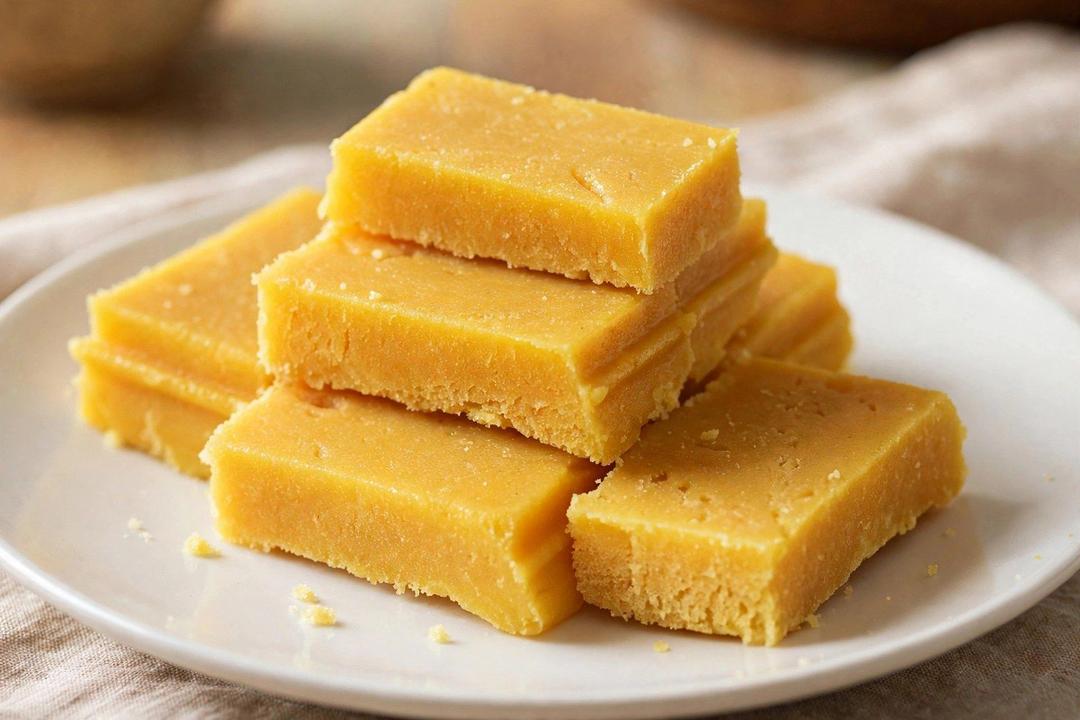
Mysore Pak
Karnataka, India
Also known as Mysuru Pak in Karnataka, India
SweetVegetarian
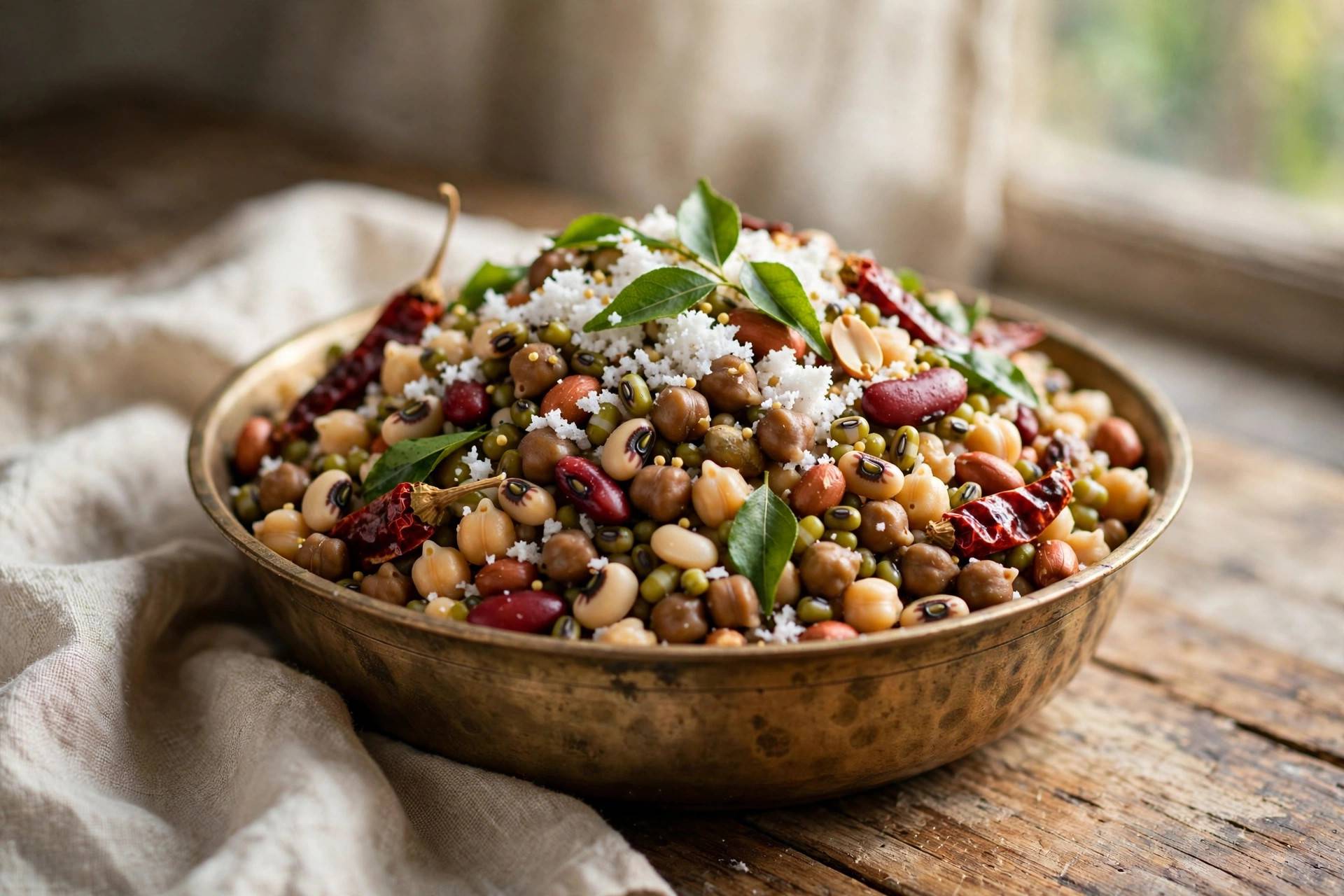
Also known as Nine-bean sundal
AI-assisted · Human-reviewed · Not kitchen-tested
Allergens: not checked yet. Read the ingredient list and every product label before cooking.
Sign in to save favorites. Sharing instead of copying keeps this library free.
Sharing instead of copying keeps this library free.
Dal cooked to a uniform paste — no texture, flat taste.
Everything is cooked right, but nothing sings — flat, dull flavor.
Salt dominates every bite — added early before a reduction, or stacked on soy and stock.
Not available yet. We only show storage times backed by food-safety sources, and we haven’t verified this dish yet. If in doubt, throw it out.
Share a storage tip: coming soon
Navadhanya means 'nine grains' — a sacred nine-bean salad cooked as Golu prasadam, one legume for each night of Navratri and each manifestation of the goddess.
Submissions are read by our team before anything appears publicly.
Public, checked by a moderator before they appear.
Editing comments and view counts: coming soon.
Recipe adapted from: https://www.slurrp.com/article/navratri-2023-revisiting-the-nine-sundals-that-illuminate-the-golu-traditions-for-nine-days-1697526839441 https://www.padhuskitchen.com/2012/10/navadhanya-sundal-sundal-recipes.html — rewritten in our own words.
Keep exploring
Same region first, then the same season.
Karnataka, India
Maharashtra, India
Maharashtra, India
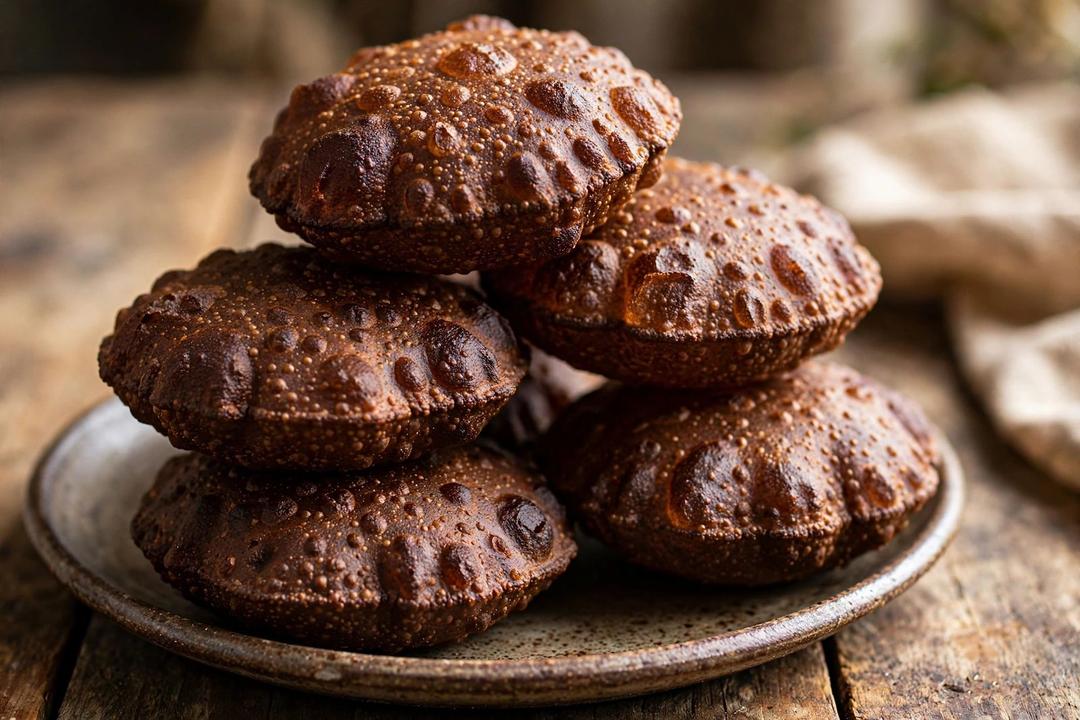
North India, India
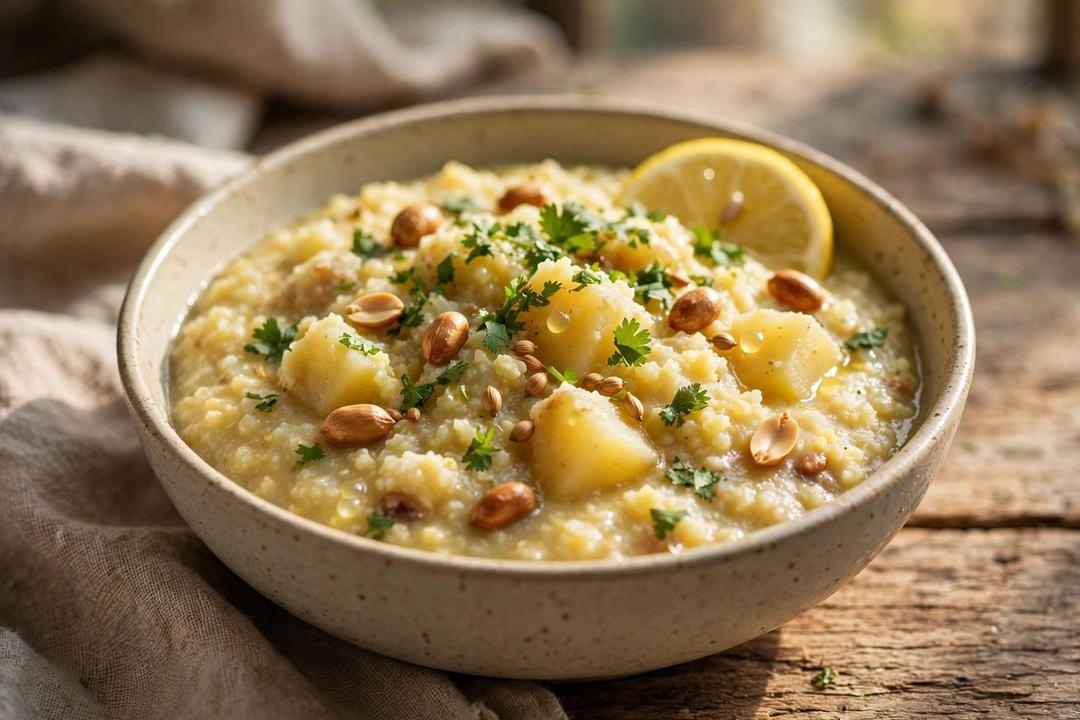
Maharashtra, India
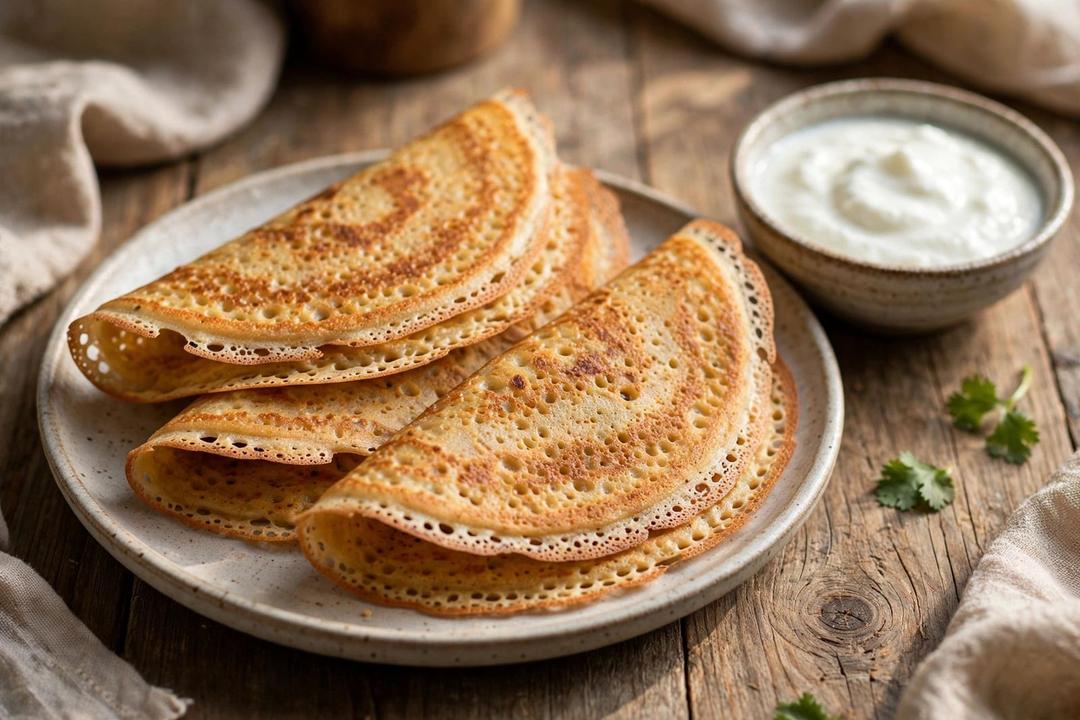
North India, India
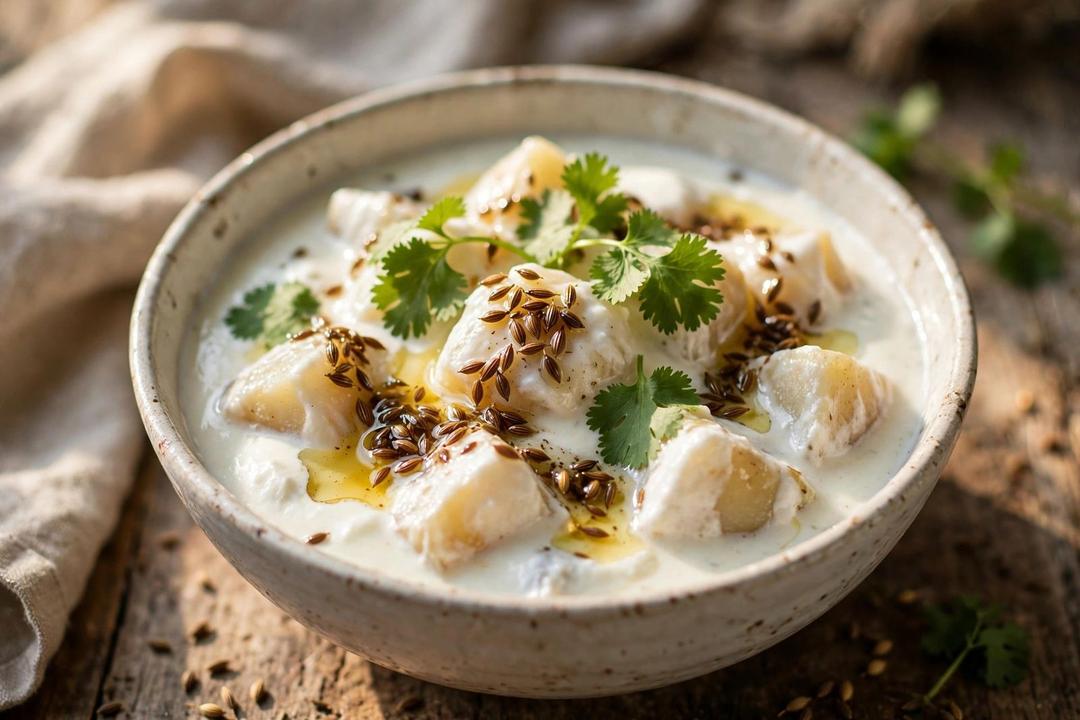
Rajasthan, India
North India, India
North India, India
Rajasthan, India
North India, India
North India, India