
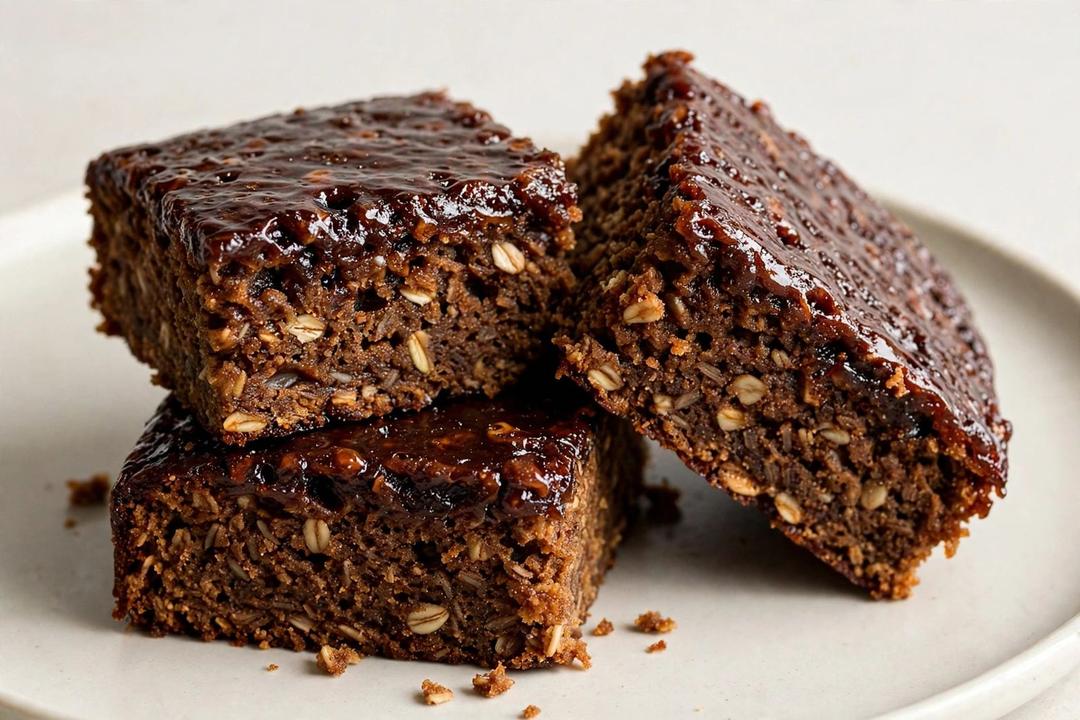
Yorkshire Parkin
United Kingdom
SweetContains egg
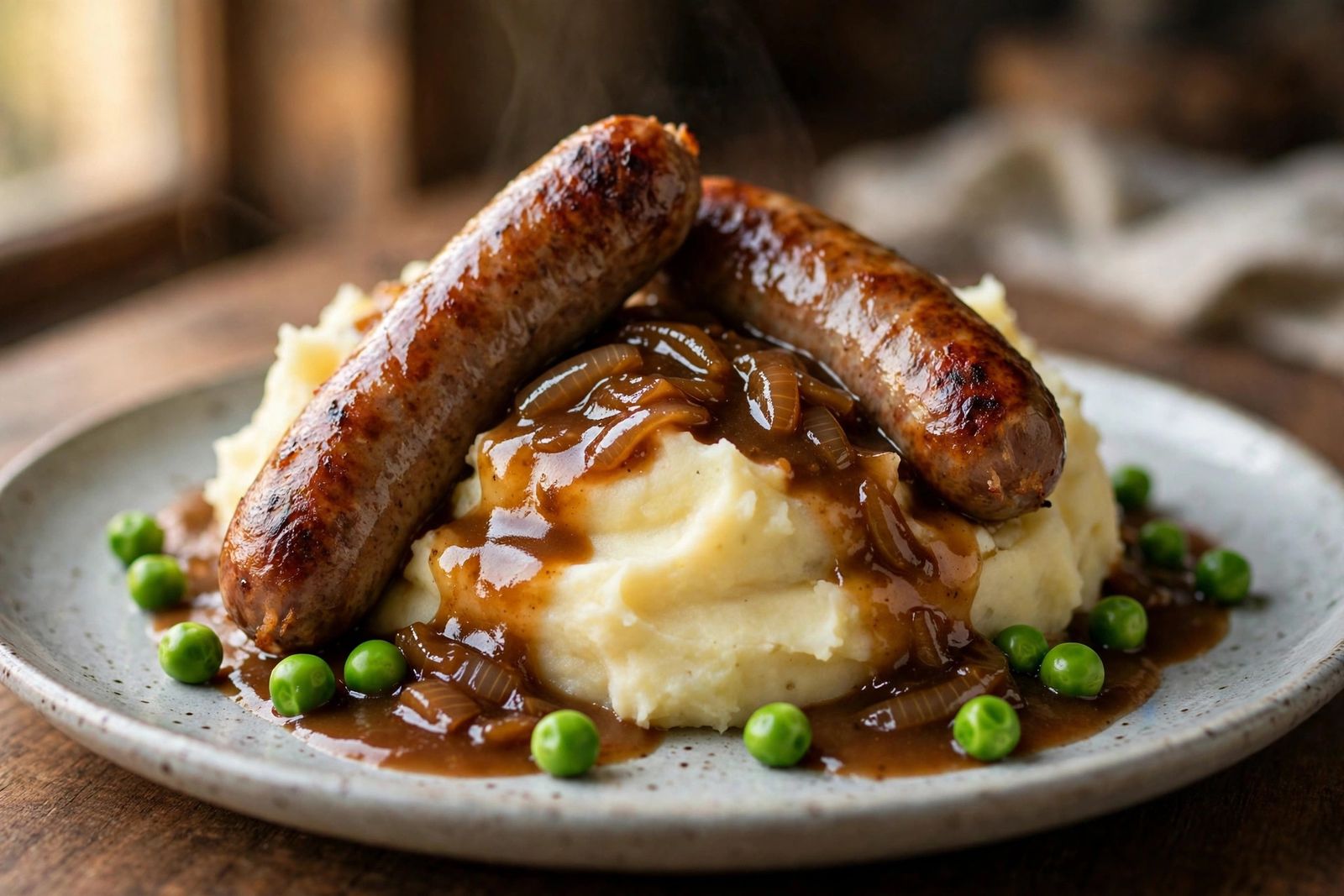
Also known as Sausages and mash in England
AI-assisted · Human-reviewed · Not kitchen-tested
Allergens: not checked yet. Read the ingredient list and every product label before cooking.
Sign in to save favorites. Sharing instead of copying keeps this library free.
Sharing instead of copying keeps this library free.
Charred crust with undercooked center — thick chops, bone-in chicken, sausages, burgers.
Salt dominates every bite of the meat dish, gravy, or stew.
Blackened edges or a scorched pan — the line between char and rescue.
Not available yet. We only show storage times backed by food-safety sources, and we haven’t verified this dish yet. If in doubt, throw it out.
Share a storage tip: coming soon
The commonly told explanation of the name is that in the First World War, meat shortages meant sausages were stretched with fillers such as extra water, and the steam made the skins burst with a bang when cooked, so they became bangers. Victorians had earlier been wary of factory sausages, nicknaming them little bags of mystery. Treat the wartime origin as the popular account, not a settled fact.
Submissions are read by our team before anything appears publicly.
Public, checked by a moderator before they appear.
Editing comments and view counts: coming soon.
Recipe adapted from: Food Republic - How Bangers And Mash Got Its Explosive Name Tasting Table - The Strange Phenomenon Bangers And Mash Is Named After Wikipedia - Bangers and mash Fohen - The Bonfire Night Guide (food and drink by the fire) — rewritten in our own words.
Keep exploring
Same region first, then the same season.
United Kingdom
United Kingdom
United Kingdom
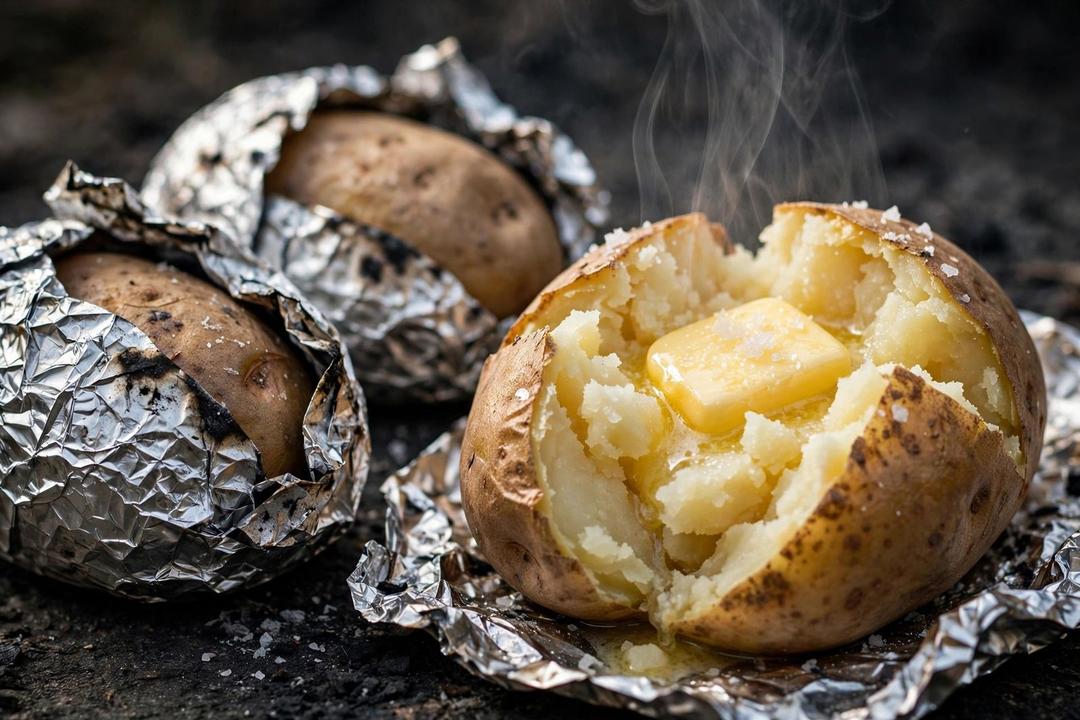
United Kingdom
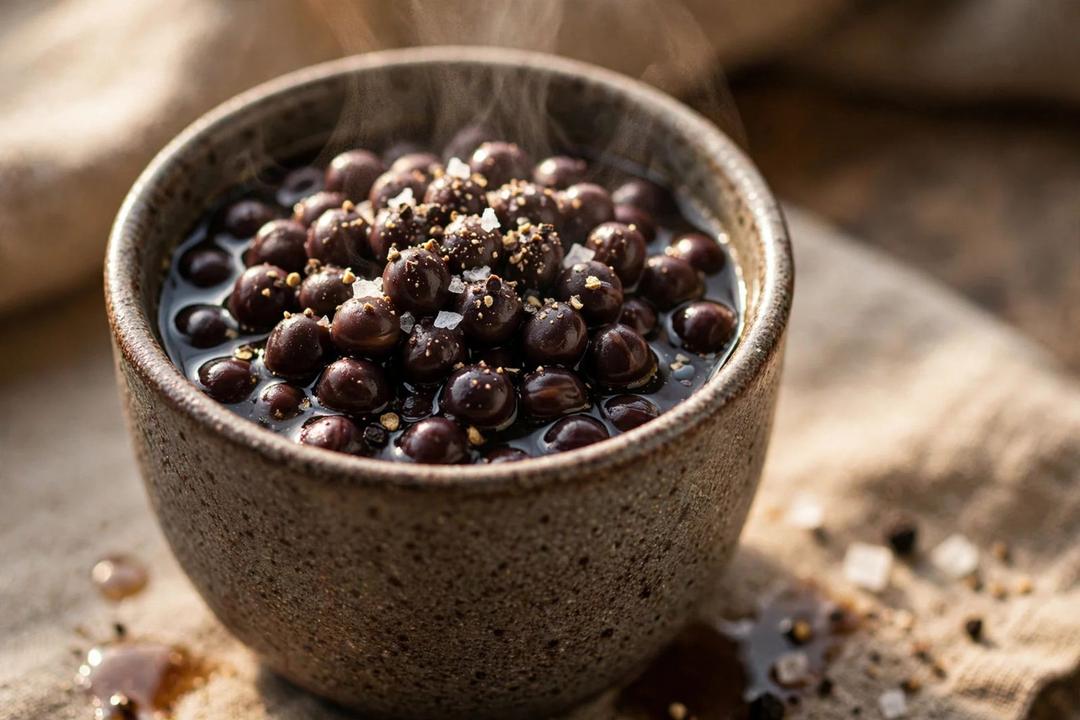
United Kingdom
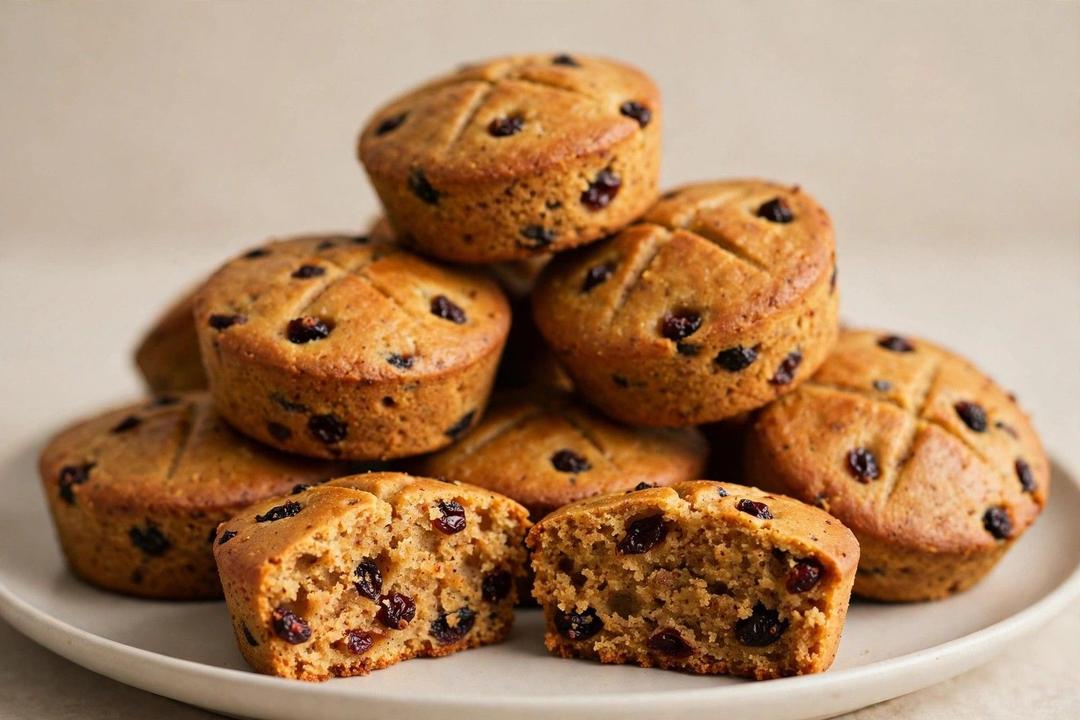
Ireland
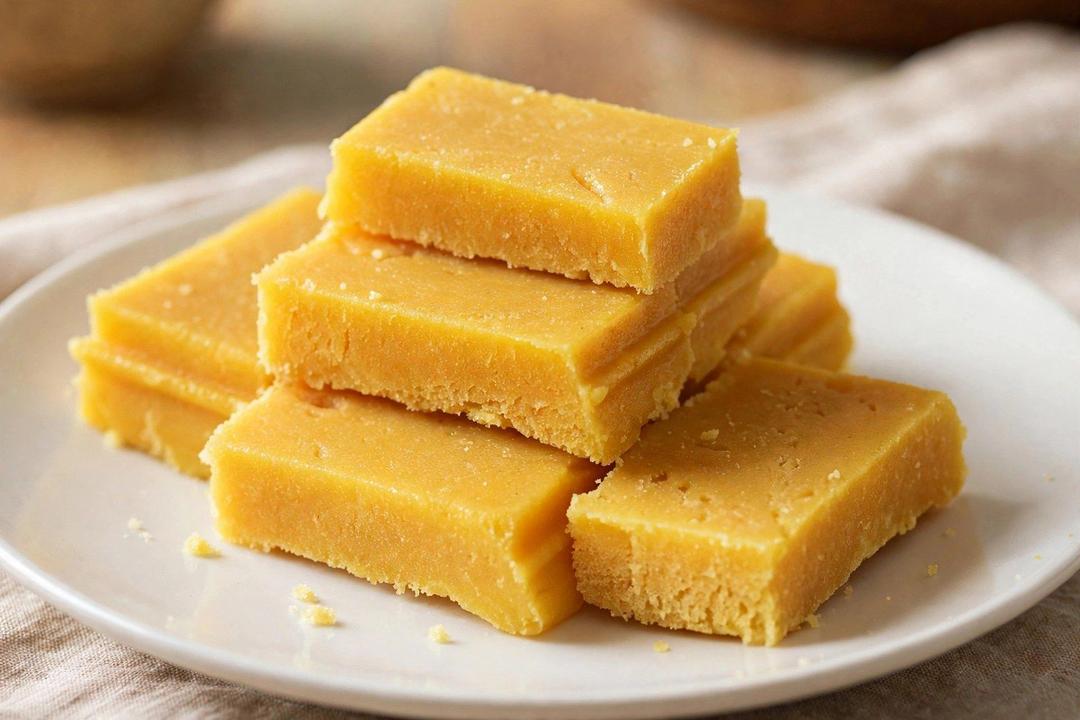
Karnataka, India
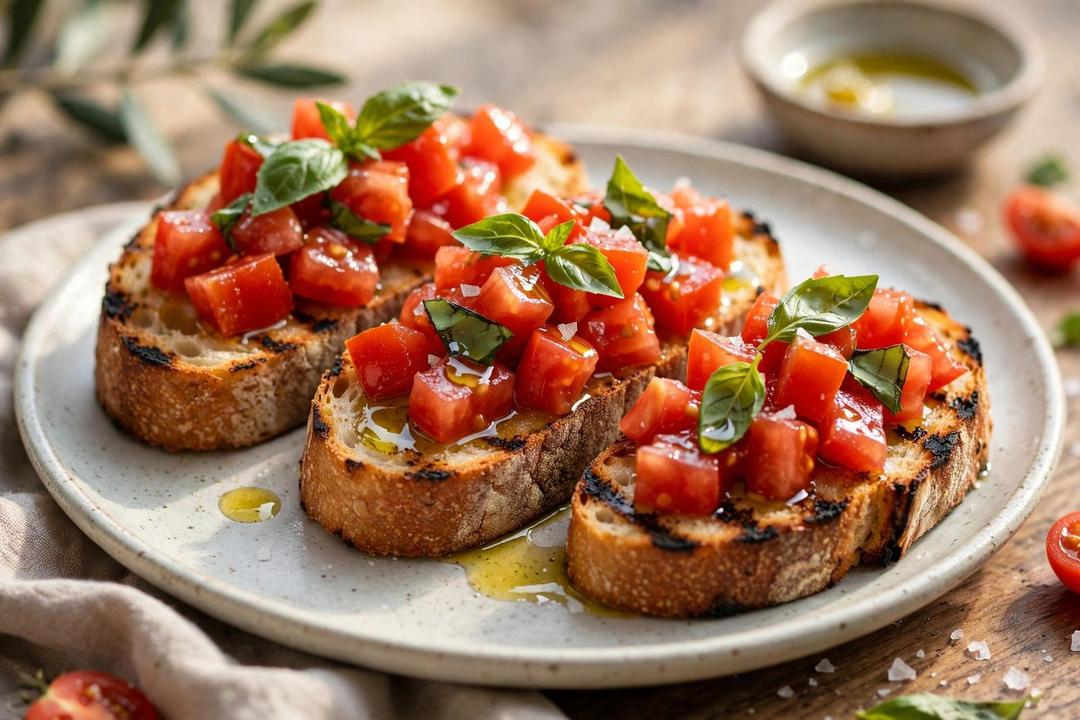
Italy
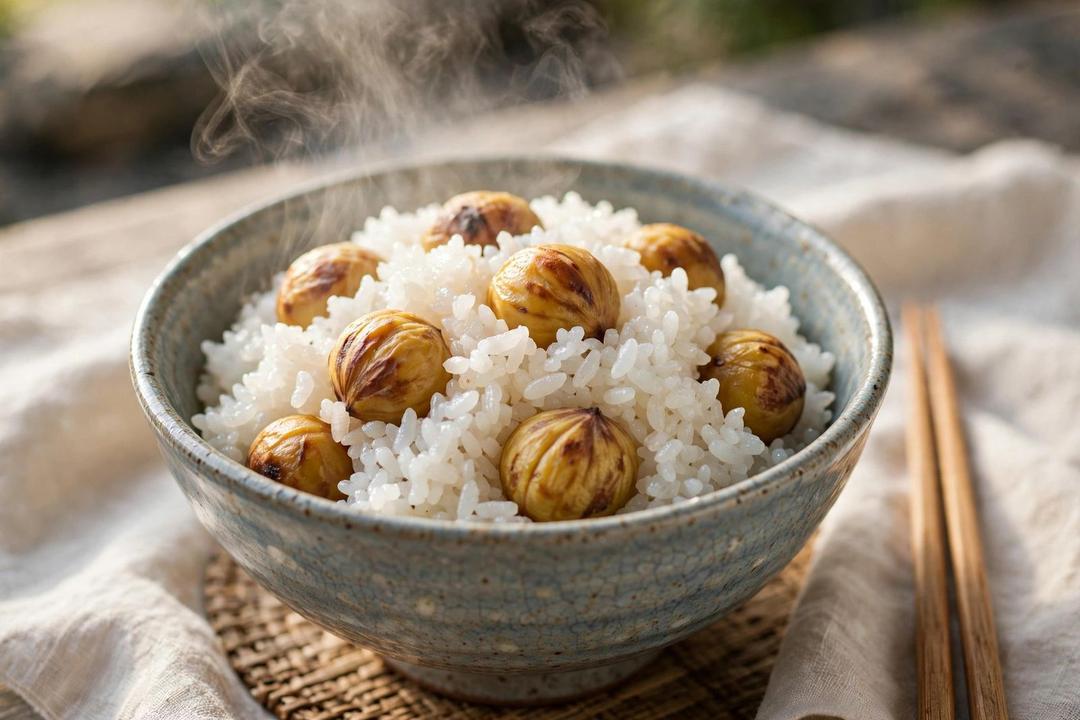
Japan
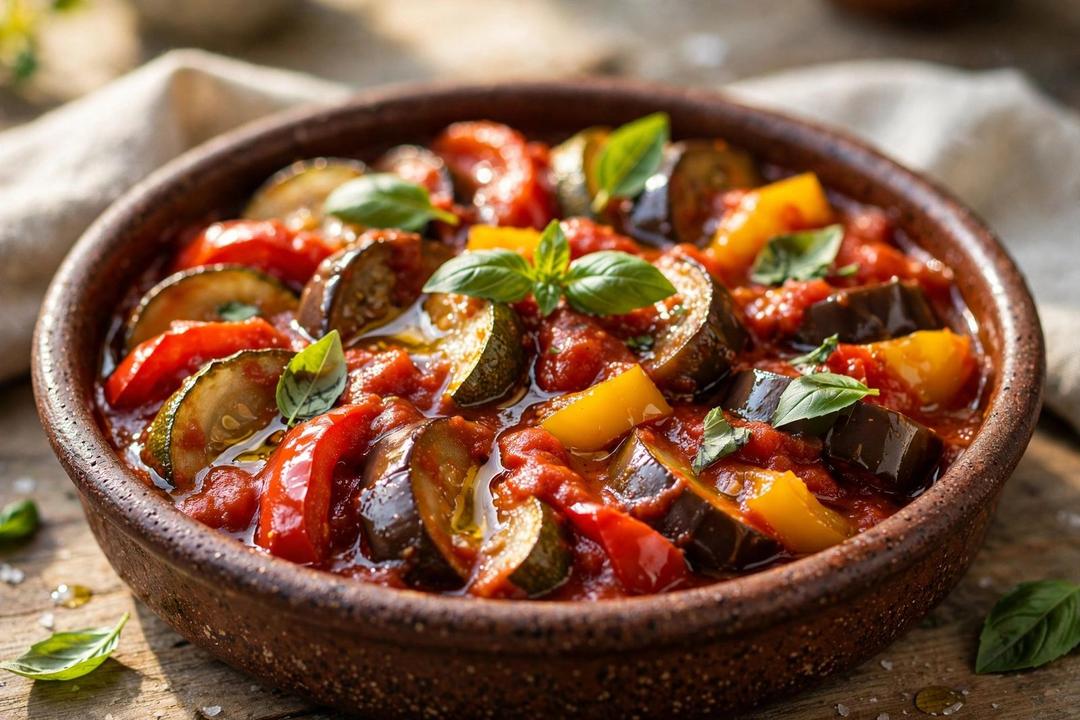
France
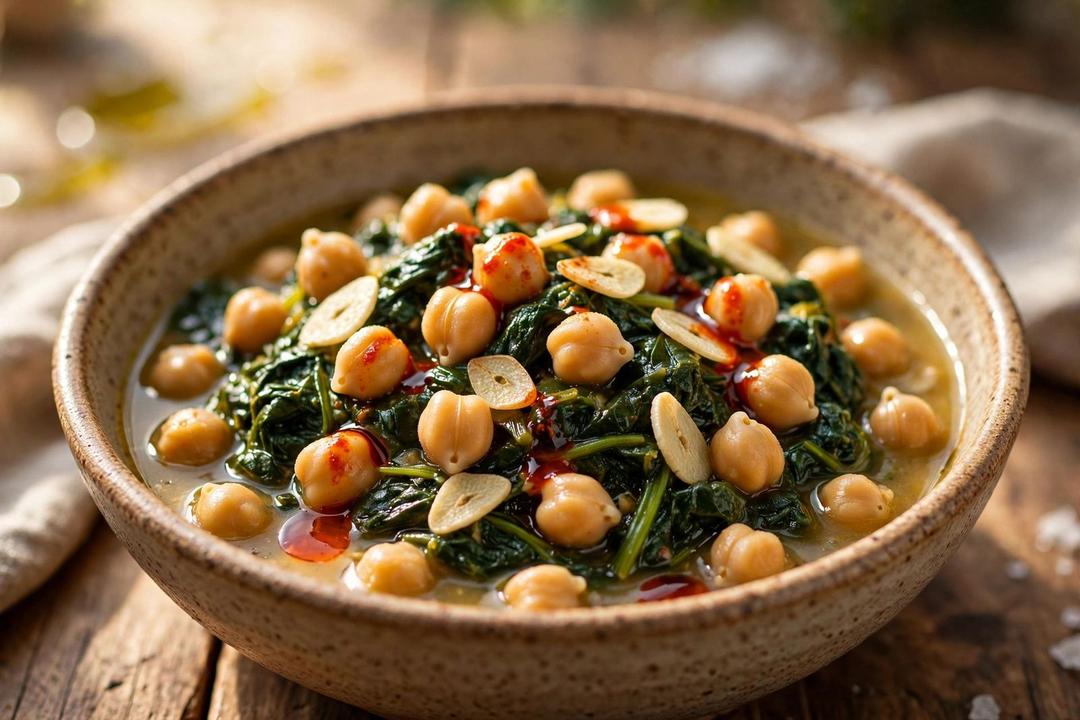
Spain
Spain