Home / Recipes / Northern England / Bonfire Toffee Apples
Bonfire Toffee Apples
Also known as Treacle Toffee Apples in Northern England
Northern EnglandAutumnSweetVegetarianFestiveKids love it
AI-assisted · Human-reviewed · Not kitchen-tested
Allergens: not checked yet. Read the ingredient list and every product label before cooking.
Sign in to save favorites. Sharing instead of copying keeps this library free.
Bonfire Toffee Apples
Apples
8 small to medium apples
8 wooden sticks or clean twigs
Sunflower oil, for greasing
Toffee
125 ml hot water
450 g muscovado sugar
115 g black treacle
115 g golden syrup
1/4 tsp cream of tartar
Method
Put the apples in a heatproof bowl, pour over boiled water and leave a few minutes to remove the waxy coating, which would stop the toffee sticking. Dry them very well and push a stick into each.
Line a small tray with baking parchment and oil it well.
Dissolve the sugar in the hot water in a heavy pan, then add the treacle, golden syrup and cream of tartar.
Boil, without leaving it unattended, until a sugar thermometer reads 140 C (soft crack).
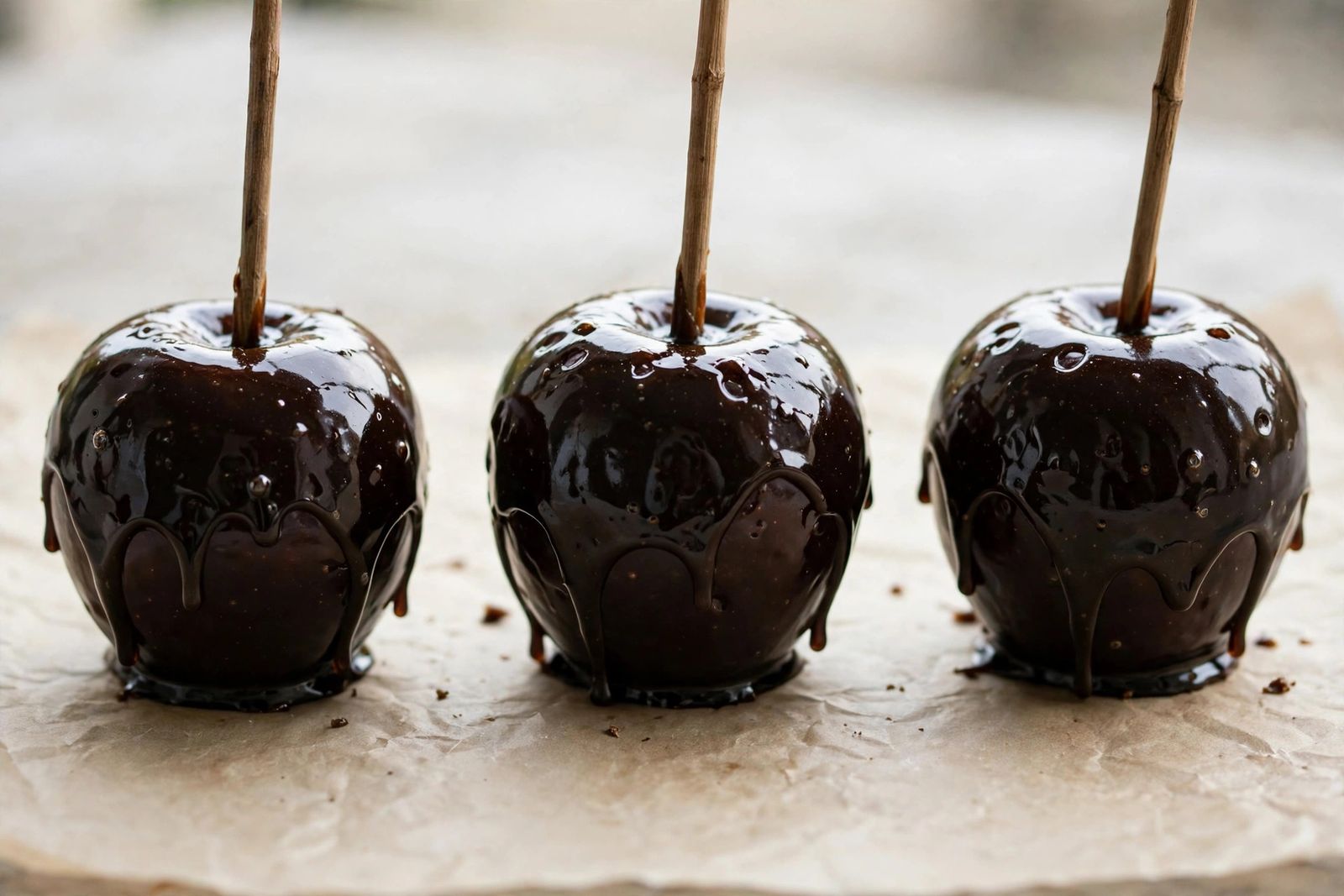
Take off the heat at once and roll each apple in the toffee, letting the excess drip off so the coating is thin, then stand them stick-up on the oiled parchment.
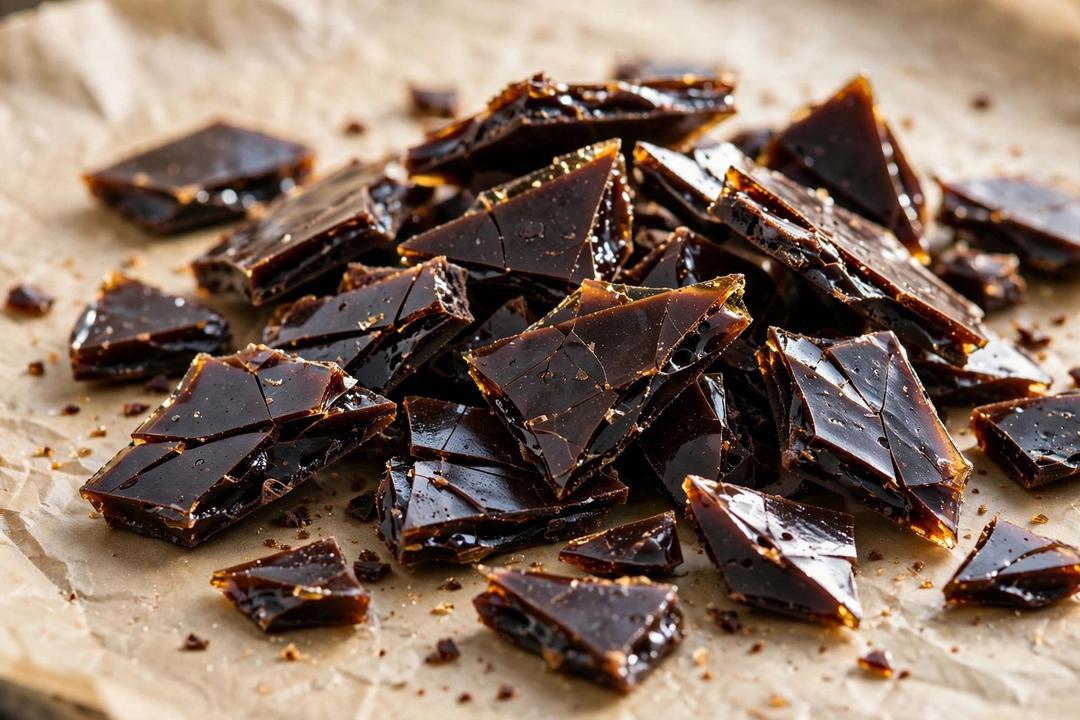
Leave to set. Any toffee left on the tray can be smashed into shards with a hammer in the traditional way.
Sharing instead of copying keeps this library free.
The recipe boils the toffee only to 140 C (soft crack) and tells you to let excess toffee drip off for as thin a coating as possible, which makes for an easier bite than a thick hard shell. Adults must handle the boiling syrup; children can wash the apples and push in the sticks beforehand.
“Kids love it” means flavors young taste buds enjoy — not safety for every child. Adults must supervise knives, heat and appliances — written for adults to prepare with children.
Storage & shelf life
Not available yet. We only show storage times backed by food-safety sources, and we haven’t verified this dish yet. If in doubt, throw it out.
Share a storage tip: coming soon
Story behind this dish
A widely repeated story credits William Kolb of Newark, New Jersey, with inventing the apple-on-a-stick after a dropped apple in 1908, but that account is about the American red candy apple, not the British toffee apple. For the British version, the writer Dorothy Hartley (Food in England) suggested that small windfall apples dipped in honey-and-beeswax toffee were probably sold at St Bartholomew's fair even before refined sugar was in common use; she presents this as likely, not proven.
Please read: this recipe is ai-assisted · human-reviewed · not kitchen-tested. It was researched with AI assistance, reviewed by a human, and never tested in a kitchen — times, temperatures and quantities may need adjusting. Always use a food thermometer and follow current guidance from authorities such as the USDA. If something looks or smells wrong, don’t eat it. Allergies: ingredient lists are informational and may be incomplete — read every product label yourself, and if you are unsure, don’t eat it. This is not medical or nutritional advice.
Tried it? Tell us.
Submissions are read by our team before anything appears publicly.
Comments
Public, checked by a moderator before they appear.