Home / Recipes / Japan / Perfect Steamed Japanese Short-Grain Rice
Perfect Steamed Japanese Short-Grain Rice
Also known as Gohan
JapanAll-yearMealVeganBase recipeKids love it
Prep 10 min · ≈200 kcal per serving (estimated)
AI-assisted · Human-reviewed · Not kitchen-tested
Allergens: not checked yet. Read the ingredient list and every product label before cooking.
Sign in to save favorites. Sharing instead of copying keeps this library free.
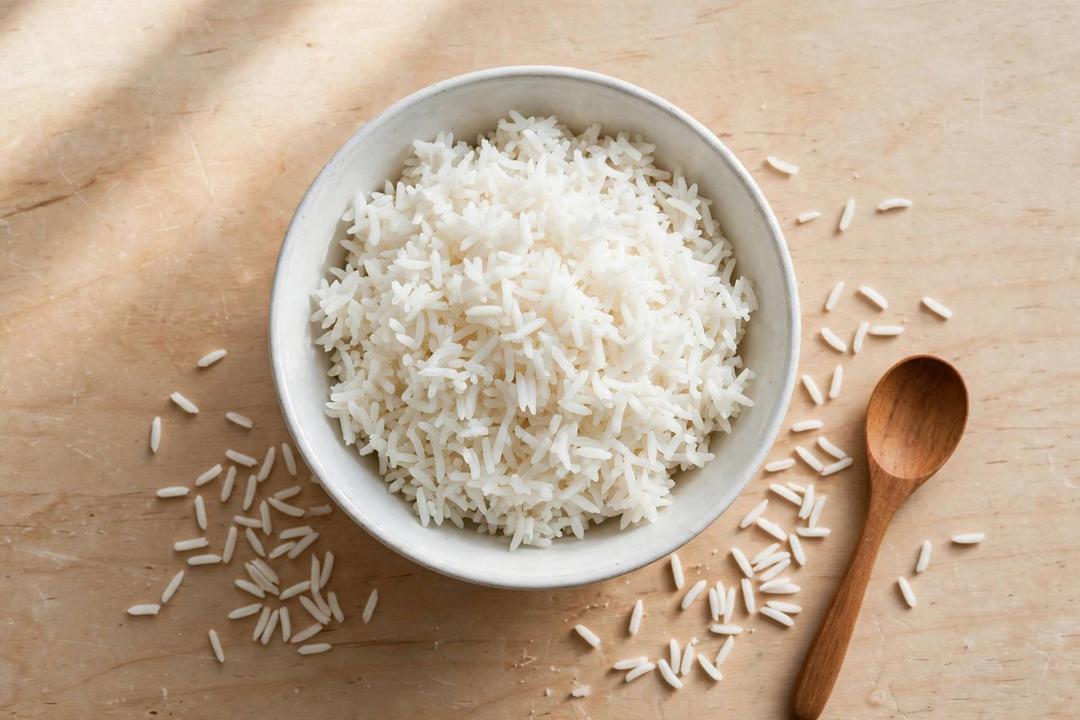
Perfect Steamed Japanese Short-Grain Rice
Rice
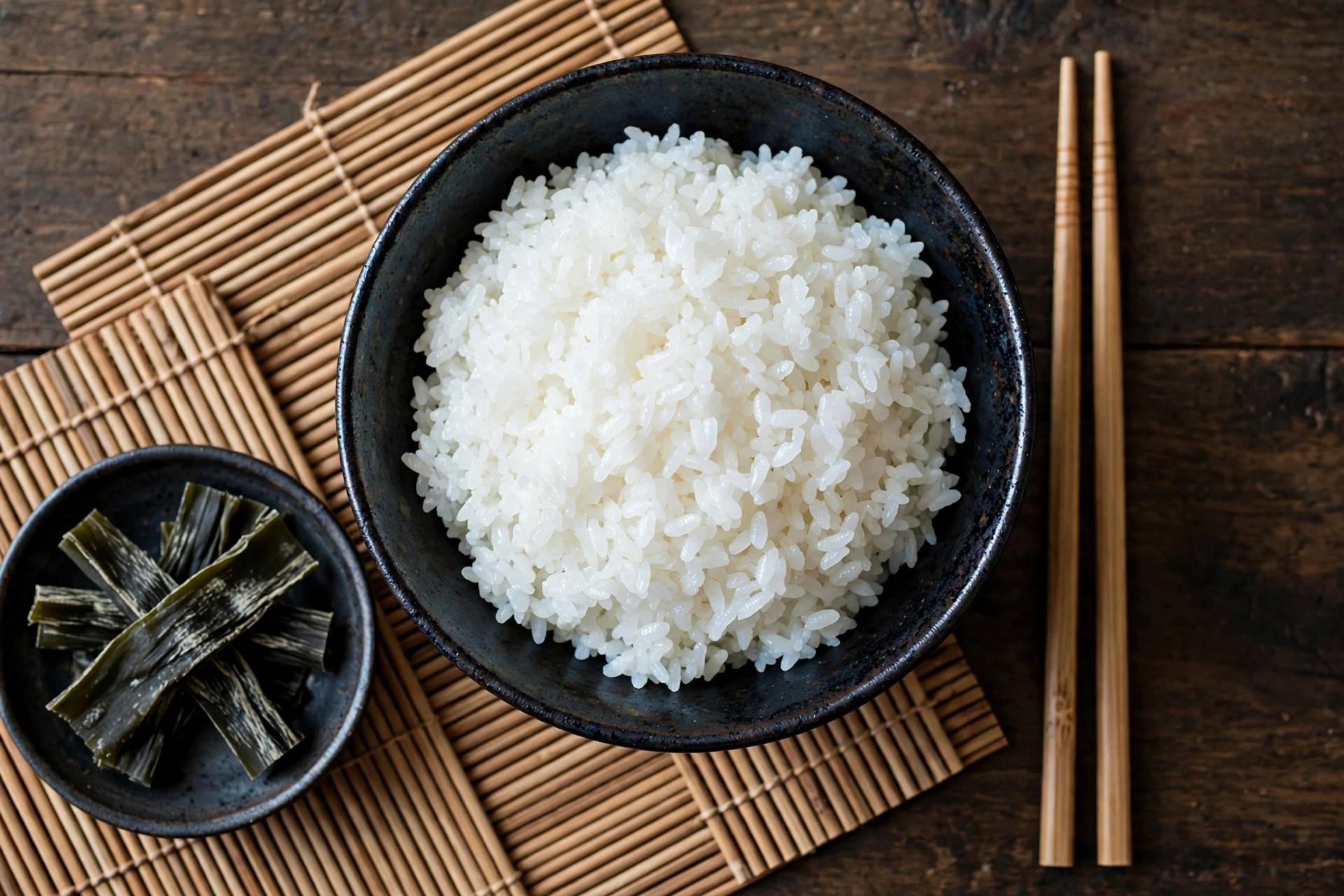
2 cups Japanese short-grain rice (uncooked, ~360 g)
2 cups water (480 ml)
1 sheet konbu (optional — adds umami)
Method
Rinse the rice 3-4 times in cool water, swirling gently, until the water runs nearly clear. Soak in fresh water for 20-30 minutes (up to 1 hour in winter), then drain well.
Combine the rice and fresh water in a heavy pot. Lay the konbu on top if using.
Bring to a boil over medium-high heat, then immediately reduce to low, cover tightly and cook 12-15 minutes. Do not lift the lid.
Remove from the heat and rest, lid on, for 10 minutes.
Remove the konbu and fluff gently with a rice paddle, cutting through the grains rather than mashing.
Sharing instead of copying keeps this library free.
Small rice balls (onigiri) shaped from leftover rice are a classic lunchbox favorite.
“Kids love it” means flavors young taste buds enjoy — not safety for every child. Adults must supervise knives, heat and appliances — written for adults to prepare with children.
Storage & shelf life
Not available yet. We only show storage times backed by food-safety sources, and we haven’t verified this dish yet. If in doubt, throw it out.
Share a storage tip: coming soon
Story behind this dish
'Gohan' means both 'cooked rice' and 'meal' in Japanese — the grain is the center of the table, and this is the pot method behind it.
Please read: this recipe is ai-assisted · human-reviewed · not kitchen-tested. It was researched with AI assistance, reviewed by a human, and never tested in a kitchen — times, temperatures and quantities may need adjusting. Always use a food thermometer and follow current guidance from authorities such as the USDA. If something looks or smells wrong, don’t eat it. Allergies: ingredient lists are informational and may be incomplete — read every product label yourself, and if you are unsure, don’t eat it. This is not medical or nutritional advice.
Tried it? Tell us.
Submissions are read by our team before anything appears publicly.
Comments
Public, checked by a moderator before they appear.