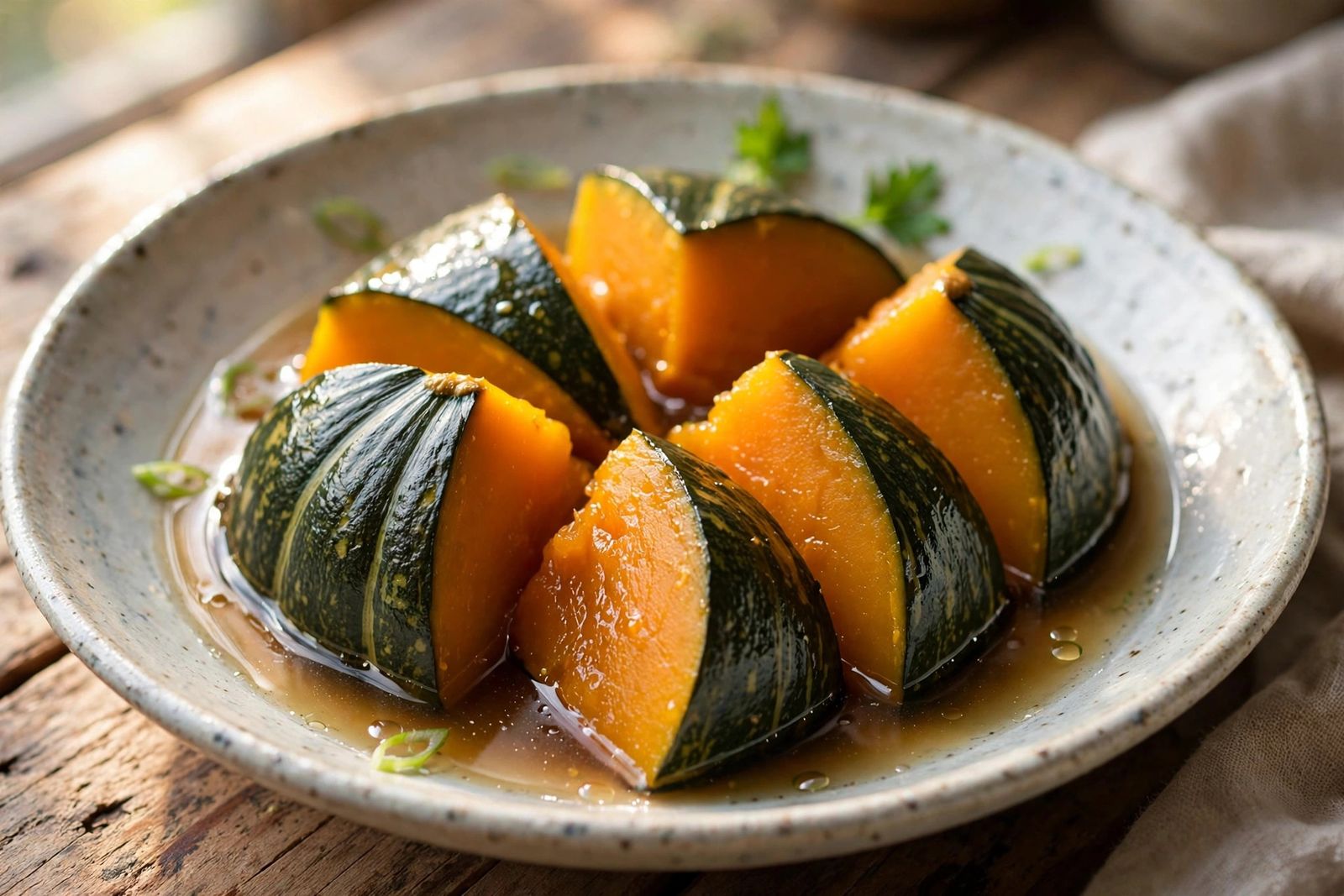
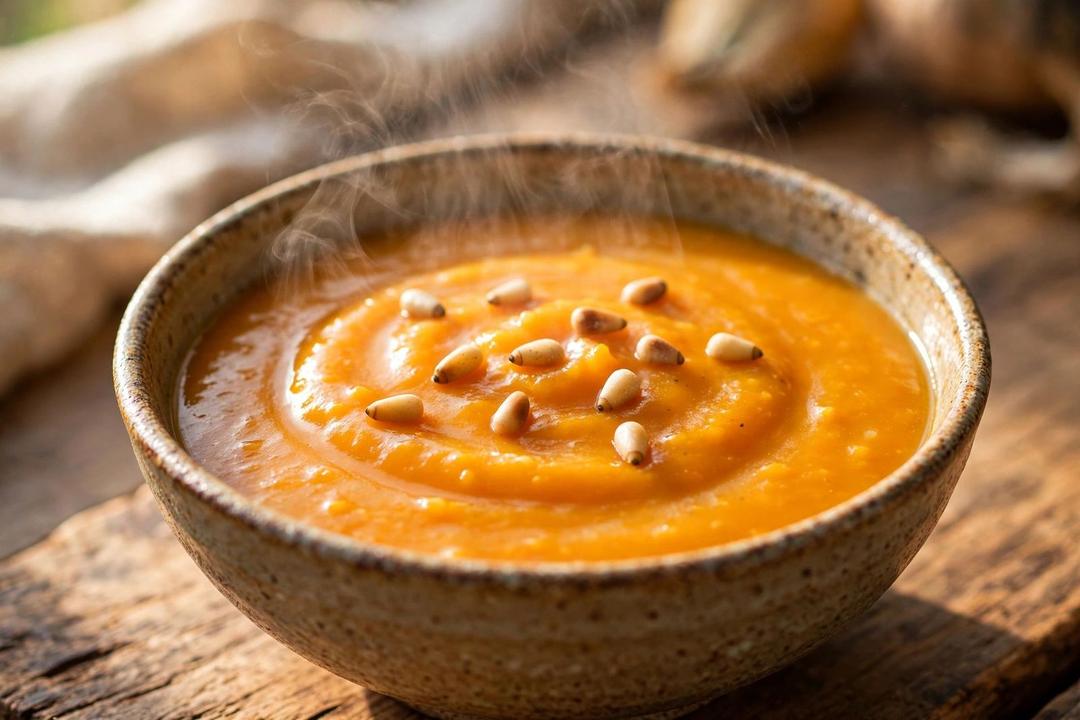
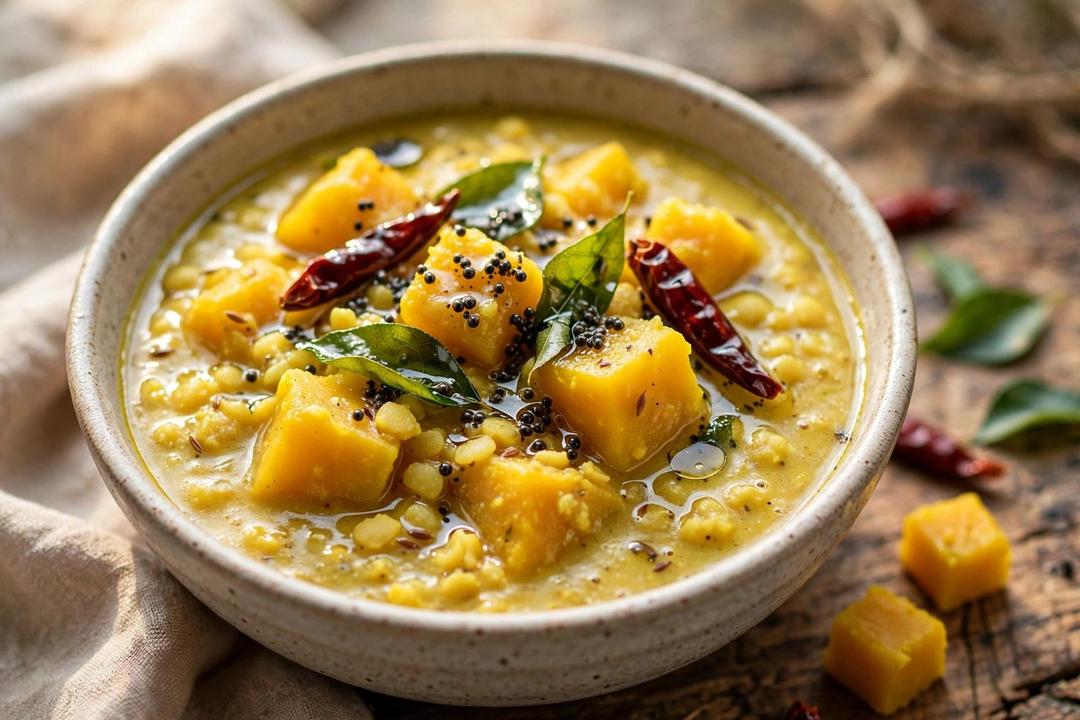
The Miyazaki regional version is served on elementary- and middle-school menus. For a children's serving, keep the kabocha soft and use the less salty end of the seasoning range; its naturally sweet, soft flesh is approachable without needing a separate “kids recipe.”
“Kids love it” means flavors young taste buds enjoy — not safety for every child. Adults must supervise knives, heat and appliances — written for adults to prepare with children.
Storage & shelf life
Not available yet. We only show storage times backed by food-safety sources, and we haven’t verified this dish yet. If in doubt, throw it out.
Share a storage tip: coming soon
Story behind this dish
Kabocha has an interesting “second season”: Japanese Cooking 101 notes that freshly harvested kabocha is starchier and less sweet, but two to three months of storage allows moisture to decrease and starches to convert into sugars. That's one reason a squash harvested earlier can become particularly delicious in the autumn months. The Miyazaki Kurokawa variety has an even more distinctive history: the region's first pumpkin cultivation dates to 1907, while a black-skinned variety introduced from Chiba in 1924 eventually became a local specialty.
Please read: this recipe is ai-assisted · human-reviewed · not kitchen-tested. It was researched with AI assistance, reviewed by a human, and never tested in a kitchen — times, temperatures and quantities may need adjusting. Always use a food thermometer and follow current guidance from authorities such as the USDA. If something looks or smells wrong, don’t eat it. Allergies: ingredient lists are informational and may be incomplete — read every product label yourself, and if you are unsure, don’t eat it. This is not medical or nutritional advice.
Tried it? Tell us.
Submissions are read by our team before anything appears publicly.
Comments
Public, checked by a moderator before they appear.