Home / Recipes / Korea (Chungcheongbuk-do, per Korean Traditional Local Food record) / Hobakjuk

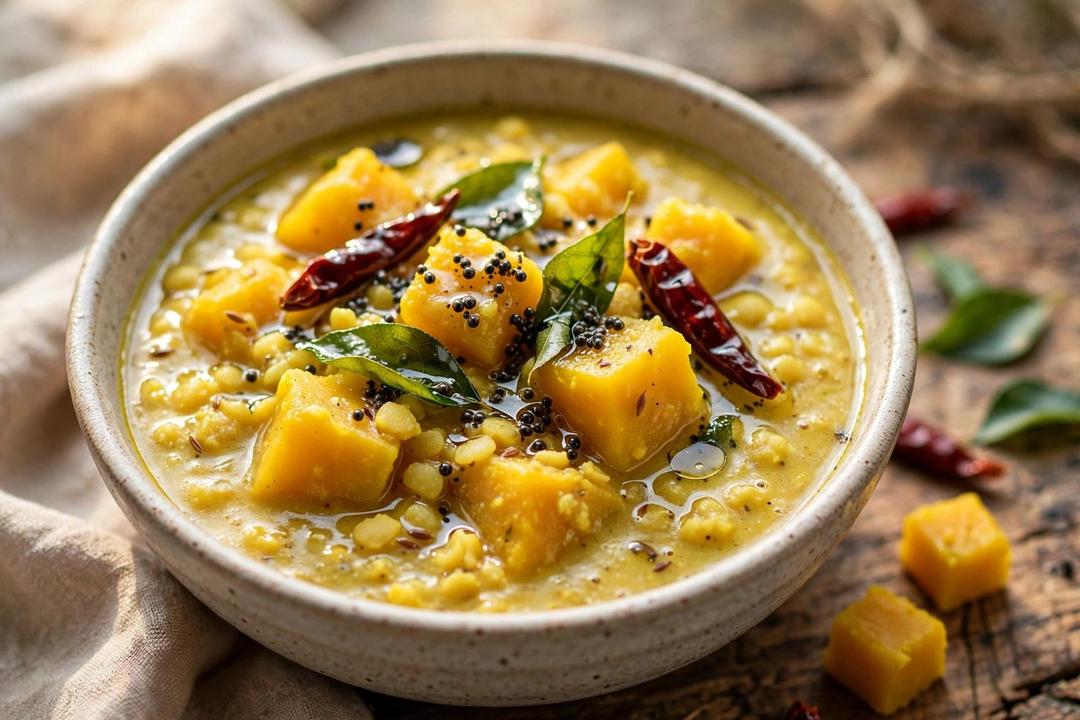
Hobakjuk

Korea (Chungcheongbuk-do, per Korean Traditional Local Food record)AutumnMealVegetarianKids love it

AI-assisted · Human-reviewed · Not kitchen-tested

Allergens: not checked yet. Read the ingredient list and every product label before cooking.

Sign in to save favorites. Sharing instead of copying keeps this library free.

Hobakjuk

Hobakjuk

Simple vegetarian version, about 6 servings

  • 3¾ lb / 1.7 kg kabocha, Korean pumpkin or butternut squash, unpeeled weight
  • 3 cups / 720 ml water
  • ¼ cup / about 40 g sweet rice flour (glutinous rice flour)
  • 3 Tbsp water, for the flour slurry
  • 3 Tbsp sugar, or to taste
  • ½ tsp fine sea salt

Optional traditional rice-cake balls

  • ½ cup sweet rice flour
  • ¼ tsp salt
  • 4–5 Tbsp hot water

Optional garnishes

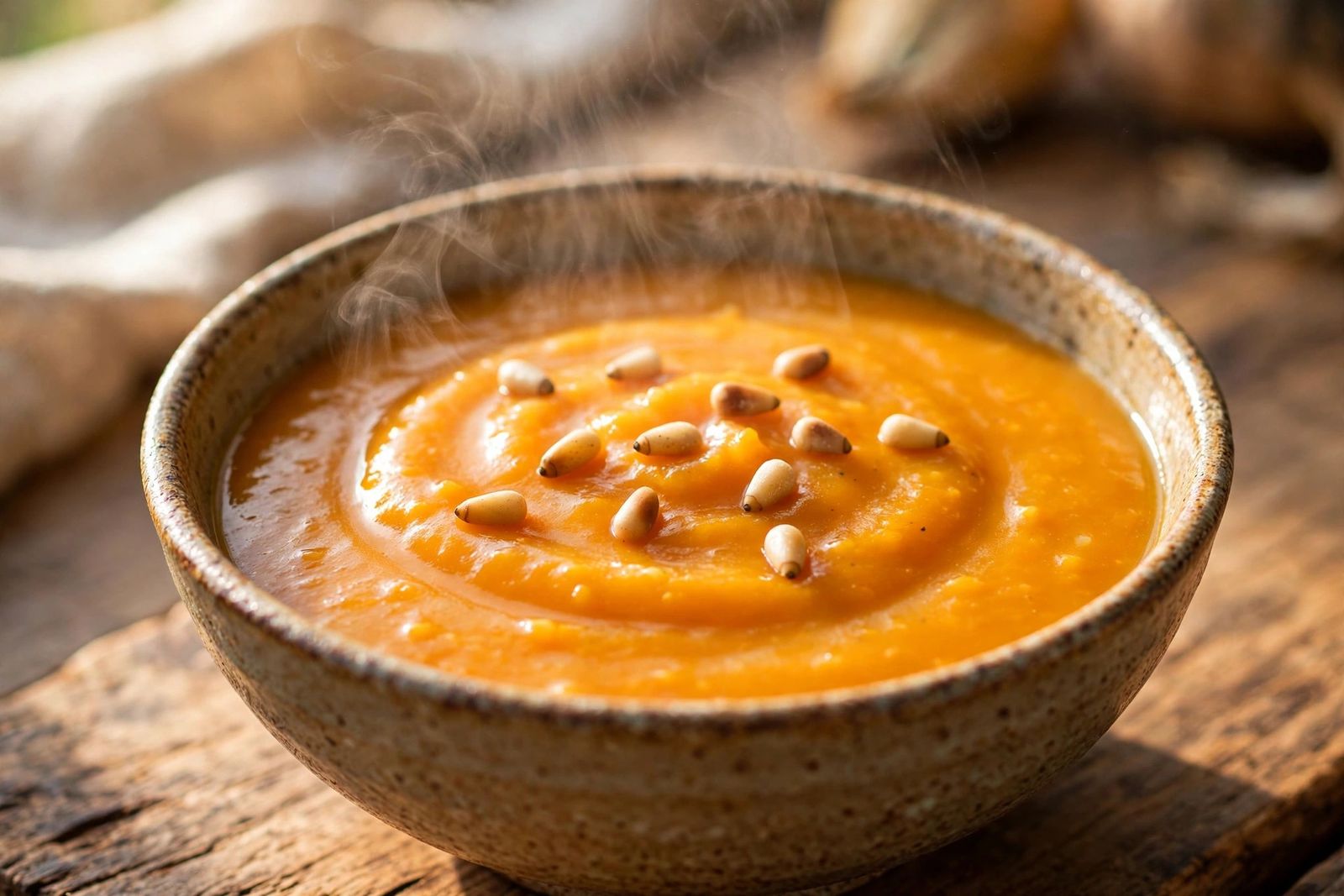
  • cooked red beans, pine nuts, pumpkin seeds or jujubes

Method

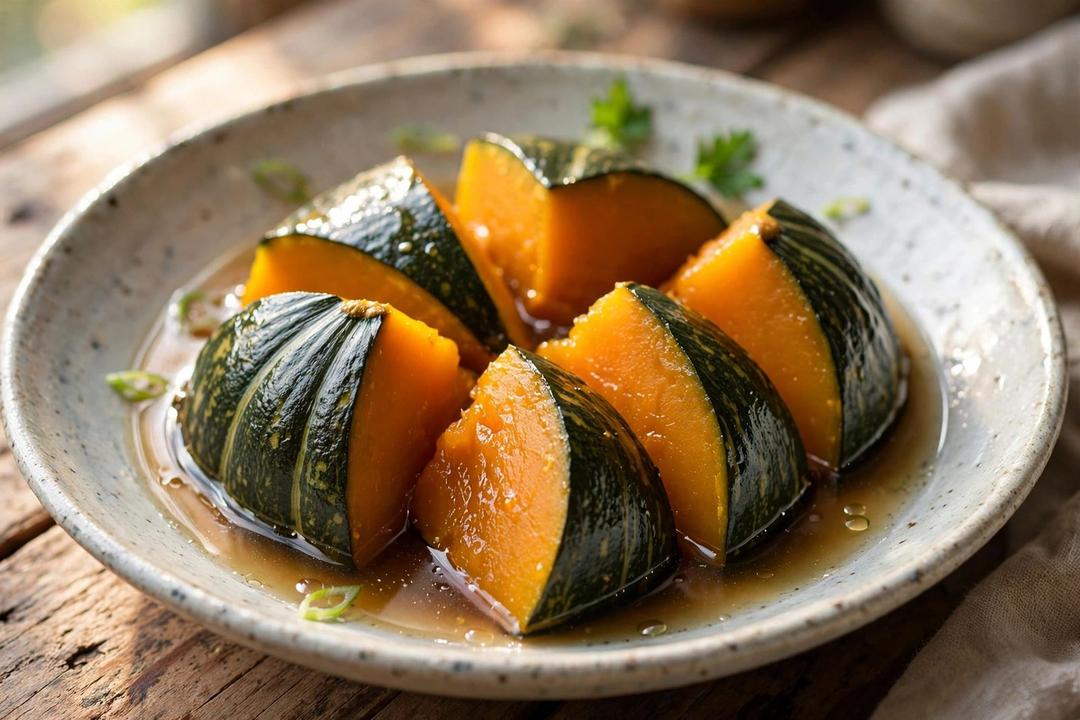
  1. Cut the squash into quarters and remove the seeds and stringy interior.
  2. Steam the squash until completely tender. Cool enough to handle, then remove the skin and cut the flesh into chunks.
  3. Blend the cooked squash with the 3 cups water, sugar and salt until smooth.
  4. Pour the mixture into a saucepan and bring to a gentle boil. Cook for about 10 minutes, stirring periodically.
  5. Mix the ¼ cup sweet rice flour with 3 Tbsp water to make a smooth slurry.
  6. Slowly pour the slurry into the pumpkin mixture while stirring continuously so it doesn't form lumps.
  7. Reduce the heat and simmer for about 3 minutes, until the porridge thickens.
  8. If using rice-cake balls, make them separately from sweet rice flour, salt and hot water; boil them until they float, then add them to the porridge.
  9. Serve warm or chilled, with optional red beans, pine nuts, pumpkin seeds or jujube.

Sharing instead of copying keeps this library free.

Something went wrong? Rescue this dish3 fixes

Storage & shelf life

Not available yet. We only show storage times backed by food-safety sources, and we haven’t verified this dish yet. If in doubt, throw it out.

Share a storage tip: coming soon

Story behind this dish

The dish has a beautiful preservation story: Maangchi describes her grandmother harvesting large Korean pumpkins in the fall and storing them in the pantry for winter, pulling one out whenever she wanted to make hobakjuk. There's also a neat linguistic detail: hobak is a broad Korean term covering pumpkin, squash and even some squash-like vegetables; danhobak, literally “sweet pumpkin,” is one of the varieties commonly used for hobakjuk.

Please read: this recipe is ai-assisted · human-reviewed · not kitchen-tested. It was researched with AI assistance, reviewed by a human, and never tested in a kitchen — times, temperatures and quantities may need adjusting. Always use a food thermometer and follow current guidance from authorities such as the USDA. If something looks or smells wrong, don’t eat it. Allergies: ingredient lists are informational and may be incomplete — read every product label yourself, and if you are unsure, don’t eat it. This is not medical or nutritional advice.

Tried it? Tell us.

★★★★★

Submissions are read by our team before anything appears publicly.

Comments

Public, checked by a moderator before they appear.

Editing comments and view counts: coming soon.

Recipe adapted from: Korea Traditional Local Food — Hobak Juk Visit Korea — Pumpkin Porridge (Hobakjuk) Maangchi — Pumpkin Porridge (Hobakjuk) Korean Bapsang — Hobakjuk — rewritten in our own words.

Keep exploring

Related recipes

Same region first, then the same season.

Goguma-bap

Goguma-bap

South Korea

MealVegetarian
Mysore Pak

Mysore Pak

Karnataka, India

Also known as Mysuru Pak in Karnataka, India
SweetVegetarian
Bruschetta al Pomodoro

Bruschetta al Pomodoro

Italy

SnackVegetarian