Home / Recipes / Iran / Kashk-e bademjan — silky Persian eggplant folded through tangy kashk
Kashk-e bademjan — silky Persian eggplant folded through tangy kashk
IranAutumnMealVegetarianKids love it
AI-assisted · Human-reviewed · Not kitchen-tested
Allergens: not checked yet. Read the ingredient list and every product label before cooking.
Sign in to save favorites. Sharing instead of copying keeps this library free.
Kashk-e bademjan — silky Persian eggplant folded through tangy kashk
Stage 1 — the eggplant
3 large globe eggplants (bademjan [eggplant]) — about 2.5 lbs / 1.2 kg, firm with shiny skin
Salt, for salting the slices
Vegetable or olive oil, for frying
Stage 2 — onion & aromatics
2 large yellow onions, thinly sliced
5–6 garlic cloves (sir [garlic]), minced
1 tsp ground turmeric (zardchoobeh [turmeric])
½ tsp freshly ground black pepper, plus salt to taste
½ cup hot water
Stage 3 — the dairy finish
¾ cup kashk [fermented dried yogurt whey — traditional preserved dairy, sold as dried balls or liquid in Middle Eastern grocers], loosened with 3 tbsp hot water
Stage 4 — garnishes (fried at the end, added last)
3 tbsp dried mint (na'na khoshk [dried mint]), fried briefly in 2 tbsp oil → na'na dagh [crispy fried mint oil]
Caramelized onion ribbons — reserved piyaz dagh [deep-fried golden onions]
Seer dagh [fried garlic slices] and a pinch of za'feran [saffron] bloomed in hot water (optional but classic luxury garnish)
½ cup walnuts, toasted and coarsely chopped
To serve
Warm naan-e sangak [stone-baked Persian flatbread], lavash, or barbari
sabzi khordan [fresh herb platter] and sliced radishes
Method
Peel the eggplants and slice lengthwise into ¾-inch slabs. Salt generously on all sides and rest 30 minutes to draw out bitterness; rinse and pat very dry.
Shallow-fry the eggplant slices in hot oil until golden on both sides (traditional; oven-roasting at 400°F/200°C for ~40 min is the lighter variant some Persian cooks use). Drain on paper towels.
In the same pan (or fresh oil), fry the sliced onions low and slow until deeply golden and sweet — this is piyaz dagh. Scoop out 2 tbsp for garnish.
Add the garlic, turmeric, and salt; cook 2 minutes until fragrant.
Return the eggplant to the pan and mash it into the onions with a potato masher — keep it slightly rustic, not puréed. Add the hot water, cover, and simmer on low 15–20 minutes until thick and melting.
Loosen the kashk with hot water in a small pot, warm it through, then fold it into the eggplant. Simmer 5 more minutes until creamy and rich. Taste for salt (kashk is already salty).
Bloom the saffron in hot water; fry the dried mint in hot oil just seconds until fragrant (it burns fast — na'na dagh); fry the garlic slices golden.
Plate warm: drizzle kashk over the top and scatter the reserved onions, fried mint, garlic, saffron, and toasted walnuts. Serve with warm bread, herbs, and radishes.
Sharing instead of copying keeps this library free.
No distinct kid-specific recipe exists in the sources — Iranian families serve kashk-e bademjan to children as part of the family spread. The genuine kid version is the same dish: soft mashed texture, mild, scooped up with bread — naturally kid-accessible; a child's portion can be topped with less garlic/mint garnish.
“Kids love it” means flavors young taste buds enjoy — not safety for every child. Adults must supervise knives, heat and appliances — written for adults to prepare with children.
Storage & shelf life
Not available yet. We only show storage times backed by food-safety sources, and we haven’t verified this dish yet. If in doubt, throw it out.
Share a storage tip: coming soon
Story behind this dish
Kashk-e bademjan — literally 'kashk and eggplant' — is likely Qajar-era, served as an appetizer or a main with fresh bread. Kashk itself is one of humanity's oldest preserved foods: thousands of years a staple of the Iranian diet, made from cheese-making leftovers (butter churned out of doogh [yogurt drink], water drained off, the remainder sun-dried into hard balls sold in bazaars), the main protein source of Iran's nomad peoples — fermented, salted, dried, it kept without refrigeration. The dish is also Persian culinary logic in a bowl: eggplant is 'warm' (garm [hot-natured food]) in the hot-cold balance, so cooling mint and tangy kashk tame it.
Please read: this recipe is ai-assisted · human-reviewed · not kitchen-tested. It was researched with AI assistance, reviewed by a human, and never tested in a kitchen — times, temperatures and quantities may need adjusting. Always use a food thermometer and follow current guidance from authorities such as the USDA. If something looks or smells wrong, don’t eat it. Allergies: ingredient lists are informational and may be incomplete — read every product label yourself, and if you are unsure, don’t eat it. This is not medical or nutritional advice.
Tried it? Tell us.
Submissions are read by our team before anything appears publicly.
Comments
Public, checked by a moderator before they appear.
Recipe adapted from: Commodity Board Europe — Iran walnut harvest window (late August–late October) Samin Nosrat, NYT Cooking — eggplant as quintessential summer food in Iran Yekta Persian Market — eggplant as summer crop — rewritten in our own words.
Keep exploring
Related recipes
Same region first, then the same season.
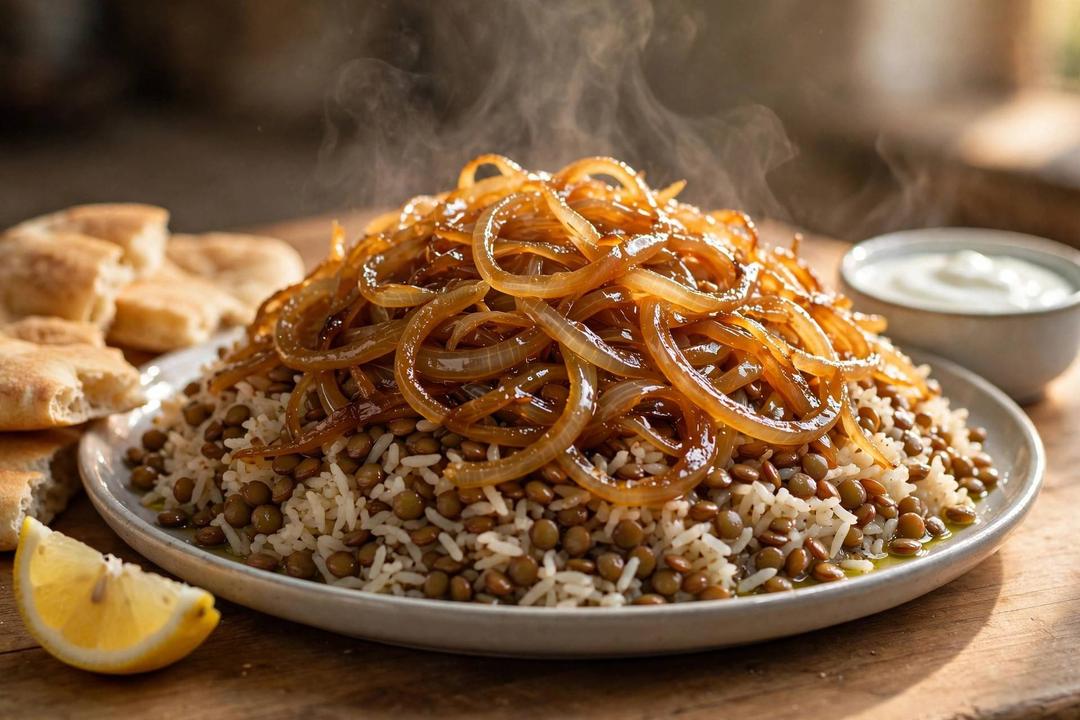
Mujadara — Lebanese lentils-and-rice with caramelized onions
Lebanon
MealVegetarian
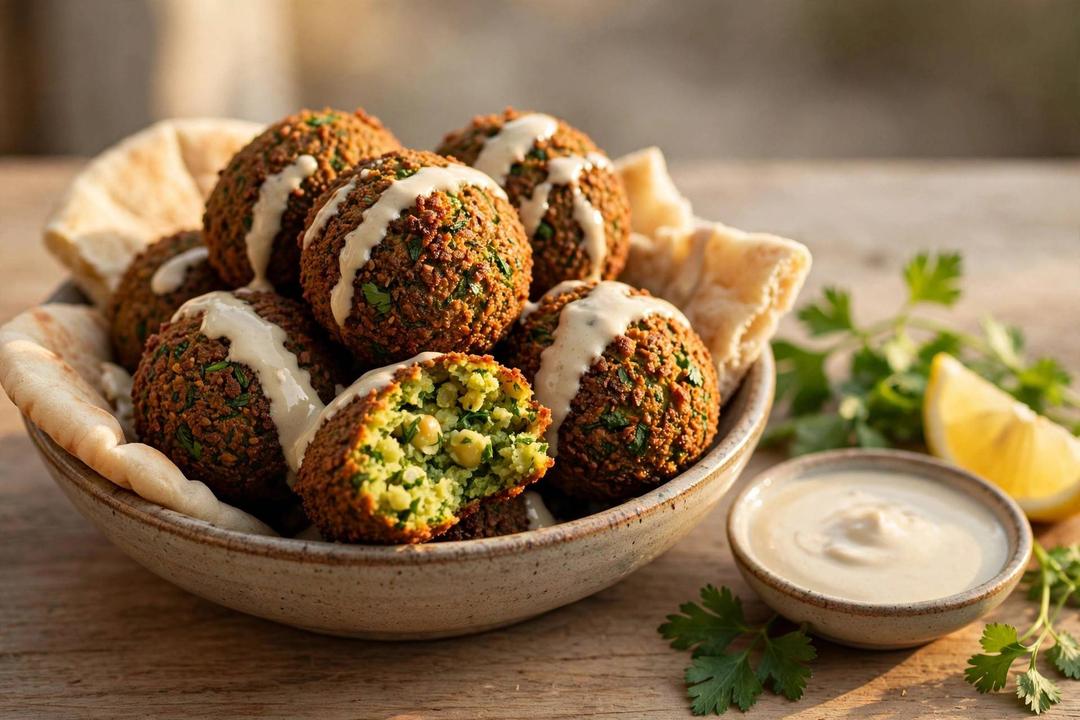
Falafel — crisp chickpea fritters with tahini sauce
Lebanon
SnackVegetarian
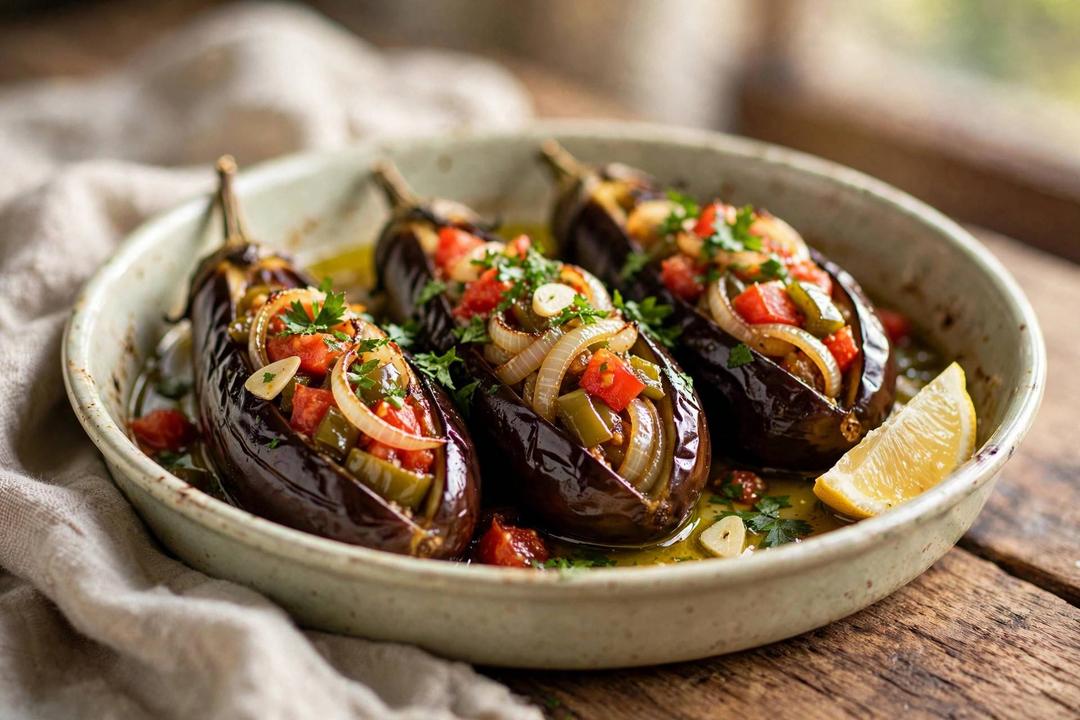
İmam bayıldı — eggplant braised in olive oil, stuffed with onion and tomato
Turkey
Also known as Imam bayildi in Turkey
MealVegetarian
Mercimek köftesi — red lentil and fine-bulgur balls
Turkey
Also known as Mercimek koftesi in Turkey
SnackVegetarian
Sholeh zard — the golden Persian saffron rice pudding
Iran
SweetVegetarian
Sel Roti
Nepal
≈150 kcal est. · 45 min prep
SweetVegetarian
Anarsa / Chini Roti
Nepal
Also known as Chini Roti in Nepal
≈120 kcal est. · 60 min prep
SweetVegetarian
Lakhamari
Nepal
≈140 kcal est. · 60 min prep
SweetVegetarian
Fini Roti
Nepal
≈130 kcal est. · 45 min prep
SweetVegetarian
Samay Baji
Nepal
≈380 kcal est. · 90 min prep
MealMeat & Seafood
Castanhas Assadas
Portugal
≈130 kcal est. · 30 min prep
SnackVegan
Sardinhas Assadas
Portugal
≈200 kcal est. · 20 min prep
MealMeat & Seafood
Your cookie choices
We use necessary cookies to run the site. Analytics and marketing cookies are off unless you accept them. Read our cookie policy.