Allergens: not checked yet. Read the ingredient list and every product label before cooking.
Sign in to save favorites. Sharing instead of copying keeps this library free.
Kolo — Ethiopian roasted barley snack
The grains (into the pan first)
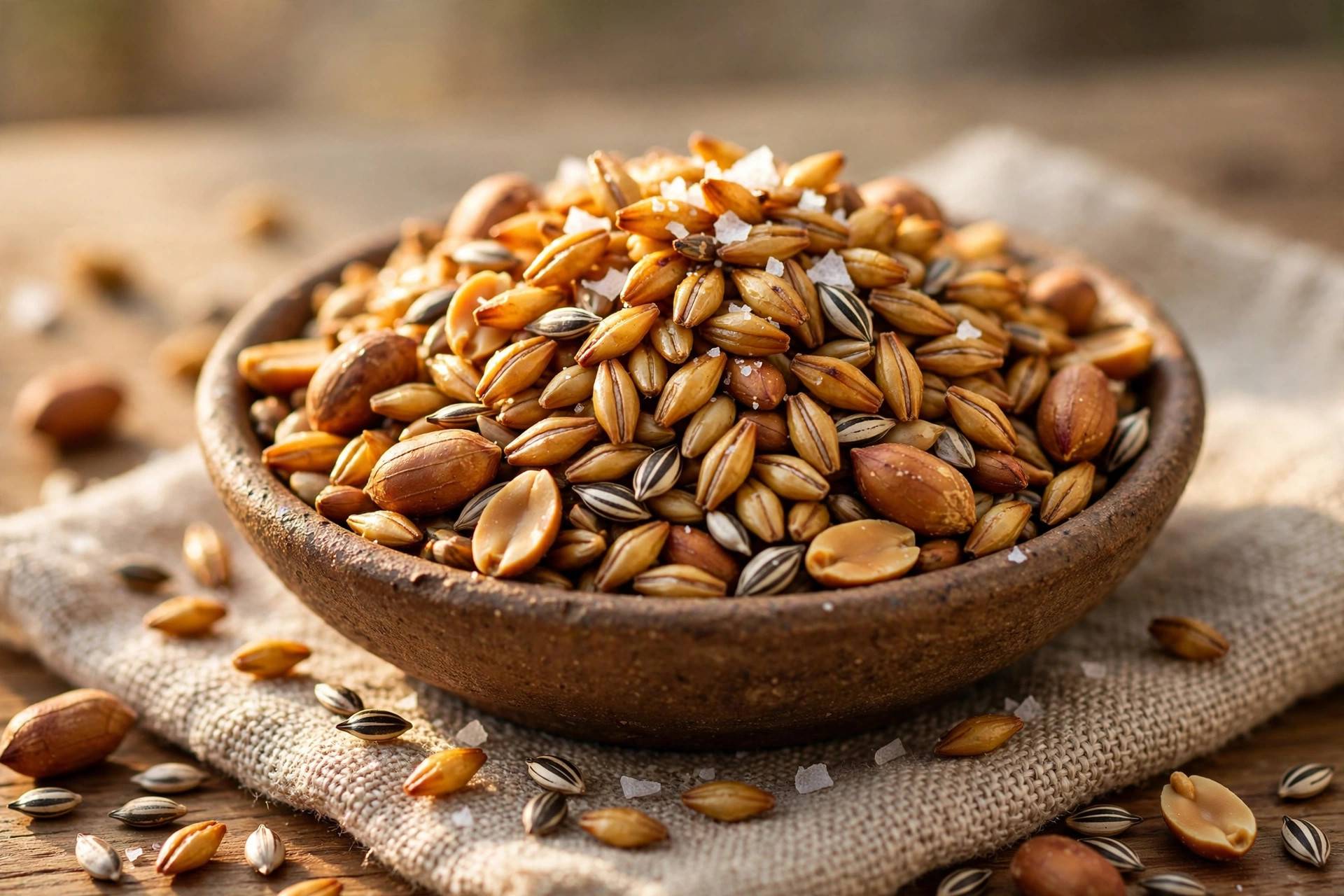
2 cups (400 g) whole barley (gebs [barley]) — whole-grain/hulled; the market type sold as senef kolo [roasting barley] is the classic kolo grain. Do NOT use quick/instant barley.
3 cups water + a pinch of salt, for the brief parboil
Seasonings (added after roasting, off or on low heat)
1–2 tbsp neutral vegetable oil or olive oil (oil, NOT niter kibbeh [spiced clarified butter] — keeps this the plain traditional plant-based form)
1 tsp fine sea salt, more to taste
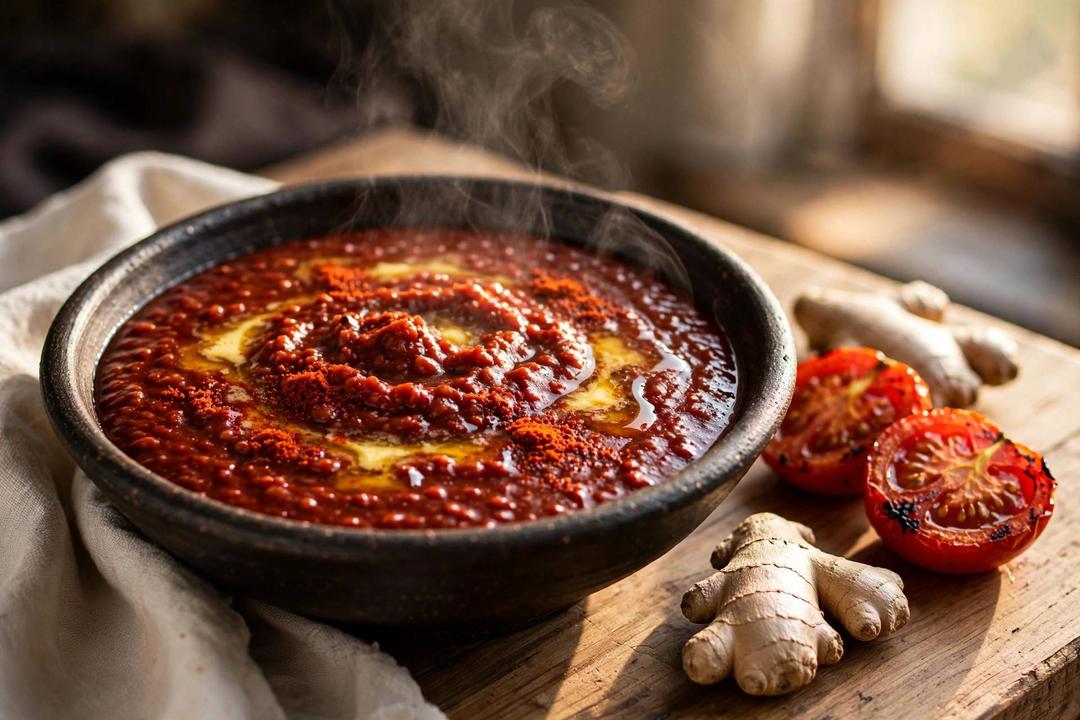
1 tsp berbere [hot Ethiopian chili spice blend] — OPTIONAL; omit for a plain classic or for children
Optional mix-ins (roasted separately, combined at the end)
¼ cup (35 g) raw peanuts — minor mix-in only, per traditional mixes
3 tbsp suf [safflower seeds — the striped oilseed sold in Ethiopian markets as 'sunflower seed'; may substitute hulled sunflower seeds outside Ethiopia]
Optional: ¼ cup roasted chickpeas (shimbra [chickpeas]) for the classic multi-grain kolo mix
Method
Wash and parboil the barley: rinse in several changes of cold water until the water runs mostly clear. Bring 3 cups of water with a pinch of salt to a rolling boil, add the barley, and boil 5 minutes. Drain well and let it steam-dry in the colander a few minutes — dry grains roast crisply instead of steaming.
Dry-roast the barley: heat a wide, heavy pan (cast iron is ideal) over low–medium heat. Add the barley in a single layer. Toast, stirring and shaking constantly, 12–18 minutes, until deep golden, strongly nutty-smelling, with a few grains crackling or popping. Keep the heat gentle — scorched barley turns bitter. Work in batches if the pan crowds.
Roast the mix-ins: toast the peanuts over low heat 3–4 minutes until fragrant and lightly golden; do the same with the suf seeds until creamy-colored and aromatic. Remove each before they darken.
Season while warm: return everything to the warm (off-heat) pan. Drizzle over the oil and toss so every grain glistens. Sprinkle the salt (and berbere, if using) and toss again. The residual heat blooms the spices and helps them cling.
Cool and store: spread on a tray and cool completely — kolo crisps up fully as it cools. Store sealed in a glass jar at room temperature; keeps 2–3 weeks if kept dry.
Sharing instead of copying keeps this library free.
Kolo is an everyday all-ages snack in Ethiopia — the honest kid version is simply the plain form: omit the berbere/chili, keep salt light, and skip the peanuts for small children (choking + allergy). Children eat the same roasted barley; there is no separate kid recipe. Allergy: barley = GLUTEN — a major allergen and the soul of this dish; do not substitute within it. Peanuts = major allergen (optional mix-in; omit freely).
“Kids love it” means flavors young taste buds enjoy — not safety for every child. Adults must supervise knives, heat and appliances — written for adults to prepare with children.
Storage & shelf life
Not available yet. We only show storage times backed by food-safety sources, and we haven’t verified this dish yet. If in doubt, throw it out.
Share a storage tip: coming soon
Story behind this dish
Kolo is the highlands' harvest-season traveler: families roast the new meher barley crop each October and carry the crunchy grains in a pouch for journeys, market days, and long afternoons — roasted grain keeps for weeks without spoiling. It is the classic companion to buna (Ethiopian coffee): a handful of kolo is served alongside the coffee ceremony's fresh-roasted brew, and street vendors sell it wrapped in paper cones.
Please read: this recipe is ai-assisted · human-reviewed · not kitchen-tested. It was researched with AI assistance, reviewed by a human, and never tested in a kitchen — times, temperatures and quantities may need adjusting. Always use a food thermometer and follow current guidance from authorities such as the USDA. If something looks or smells wrong, don’t eat it. Allergies: ingredient lists are informational and may be incomplete — read every product label yourself, and if you are unsure, don’t eat it. This is not medical or nutritional advice.
Tried it? Tell us.
Submissions are read by our team before anything appears publicly.
Comments
Public, checked by a moderator before they appear.