Home / Recipes / Germany (the Poznań, Poland version, Rogale Świętomarcińskie, is a separate protected regional specialty) / Martinshörnchen

Martinshörnchen

Germany (the Poznań, Poland version, Rogale Świętomarcińskie, is a separate protected regional specialty)AutumnSweetContains eggFestiveKids love it

AI-assisted · Human-reviewed · Not kitchen-tested

Allergens: not checked yet. Read the ingredient list and every product label before cooking.

Sign in to save favorites. Sharing instead of copying keeps this library free.

Martinshörnchen

Martinshörnchen

Dough

  • 500 g plain flour
  • 30 g fresh yeast
  • 250 g lukewarm milk
  • 80 g sugar (plus 1 tsp for the yeast)
  • 80 g soft butter
  • 1 egg
  • 1 pinch salt

To finish

  • 1 egg, beaten with 2 tbsp milk, for brushing
  • Icing sugar, for dusting

Method

  1. Dissolve the yeast in the warm milk with 1 tsp sugar and let it stand 5 minutes.
  2. Beat the butter with the remaining sugar and the egg until creamy. Add the flour, salt and yeast mixture and knead to a smooth dough.
  3. Cover with a cloth and let rise in a warm place for 45 minutes.
  4. Heat the oven to 200 C (conventional) and line a tray with baking paper.
  5. Roll the dough into a rectangle and cut about 10 long, pointed triangles. Roll each up from the wide end and bend into a crescent.
  6. Place on the tray and let rise again for 15 minutes.
  7. Brush with the egg and milk mixture and bake for 15 to 20 minutes until golden. Cool and dust with icing sugar.

Sharing instead of copying keeps this library free.

Something went wrong? Rescue this dish3 fixes

Storage & shelf life

Not available yet. We only show storage times backed by food-safety sources, and we haven’t verified this dish yet. If in doubt, throw it out.

Share a storage tip: coming soon

Story behind this dish

The shape is explained two ways: it may recall the horseshoe or hoofprint of St. Martin's horse, or it may be half a pretzel, standing for half of his divided cloak. The best-documented horseshoe story belongs to Poznań, Poland, where according to local tradition a baker created the poppy-seed pastry in 1891 after a parish priest urged people to follow St. Martin's example and help the poor. The Poznań rogale have held EU protected geographical indication status since 2008.

Please read: this recipe is ai-assisted · human-reviewed · not kitchen-tested. It was researched with AI assistance, reviewed by a human, and never tested in a kitchen — times, temperatures and quantities may need adjusting. Always use a food thermometer and follow current guidance from authorities such as the USDA. If something looks or smells wrong, don’t eat it. Allergies: ingredient lists are informational and may be incomplete — read every product label yourself, and if you are unsure, don’t eat it. This is not medical or nutritional advice.

Tried it? Tell us.

★★★★★

Submissions are read by our team before anything appears publicly.

Comments

Public, checked by a moderator before they appear.

Editing comments and view counts: coming soon.

Recipe adapted from: speisekarte.de - Was sind eigentlich Martinshoernchen? Polen Journal - Hoernchen und Gans: Polen im Sankt Martin Fieber simply-yummy.de - Martinshoernchen (recipe) Katholische Kirche Lueneburg - Martinshoernchen recipe (PDF) — rewritten in our own words.

Keep exploring

Related recipes

Same region first, then the same season.

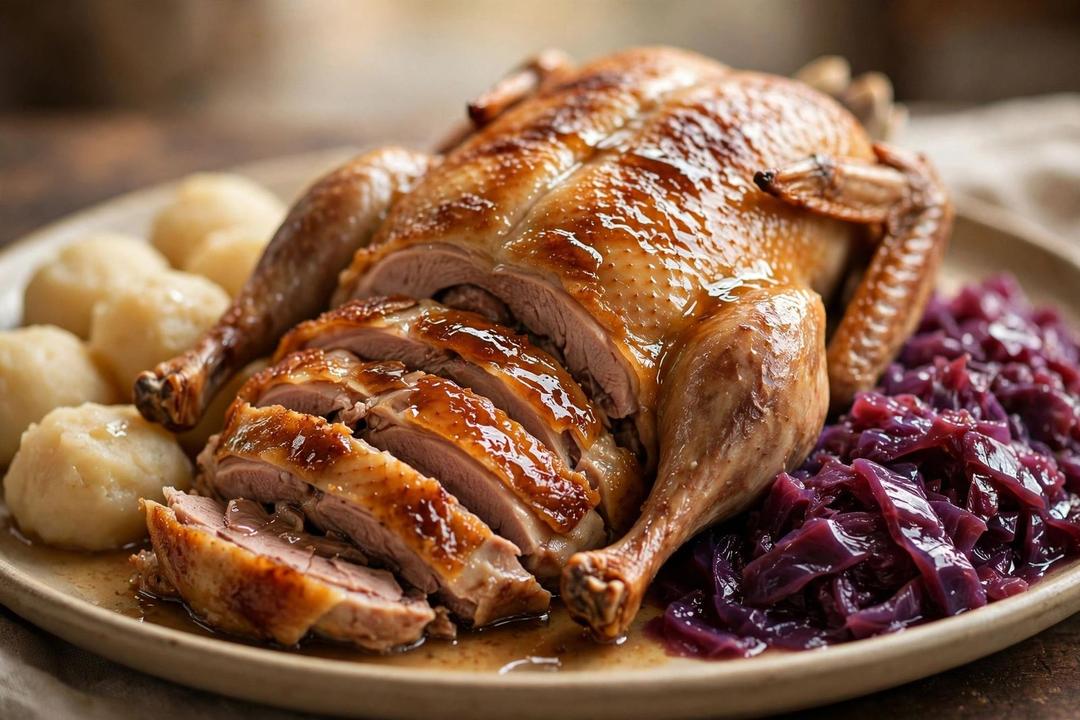
Martinsgans (St. Martin's Roast Goose)

Martinsgans (St. Martin's Roast Goose)

Germany

Also known as Martinigansl in Rhineland, Germany, and Vienna, Austria
MealMeat & Seafood
Rotkohl (Sweet-and-Sour Red Cabbage)

Rotkohl (Sweet-and-Sour Red Cabbage)

Germany

Also known as Blaukraut in Germany (Rotkohl in the north, Blaukraut in Bavaria and the south)
MealVegetarian
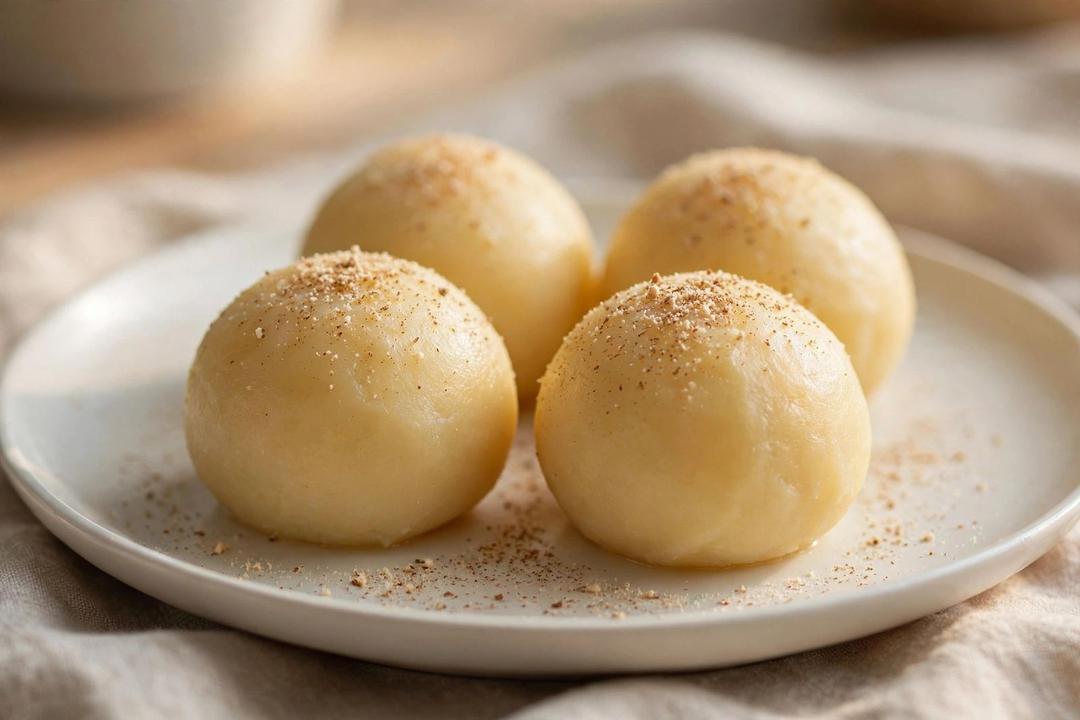
Kartoffelknödel (Potato Dumplings)

Kartoffelknödel (Potato Dumplings)

Germany

Also known as Kartoffelklöße in Bavaria, Germany, and Austria
MealVegetarian