Home / Recipes / Rhineland, Germany / Weckmann

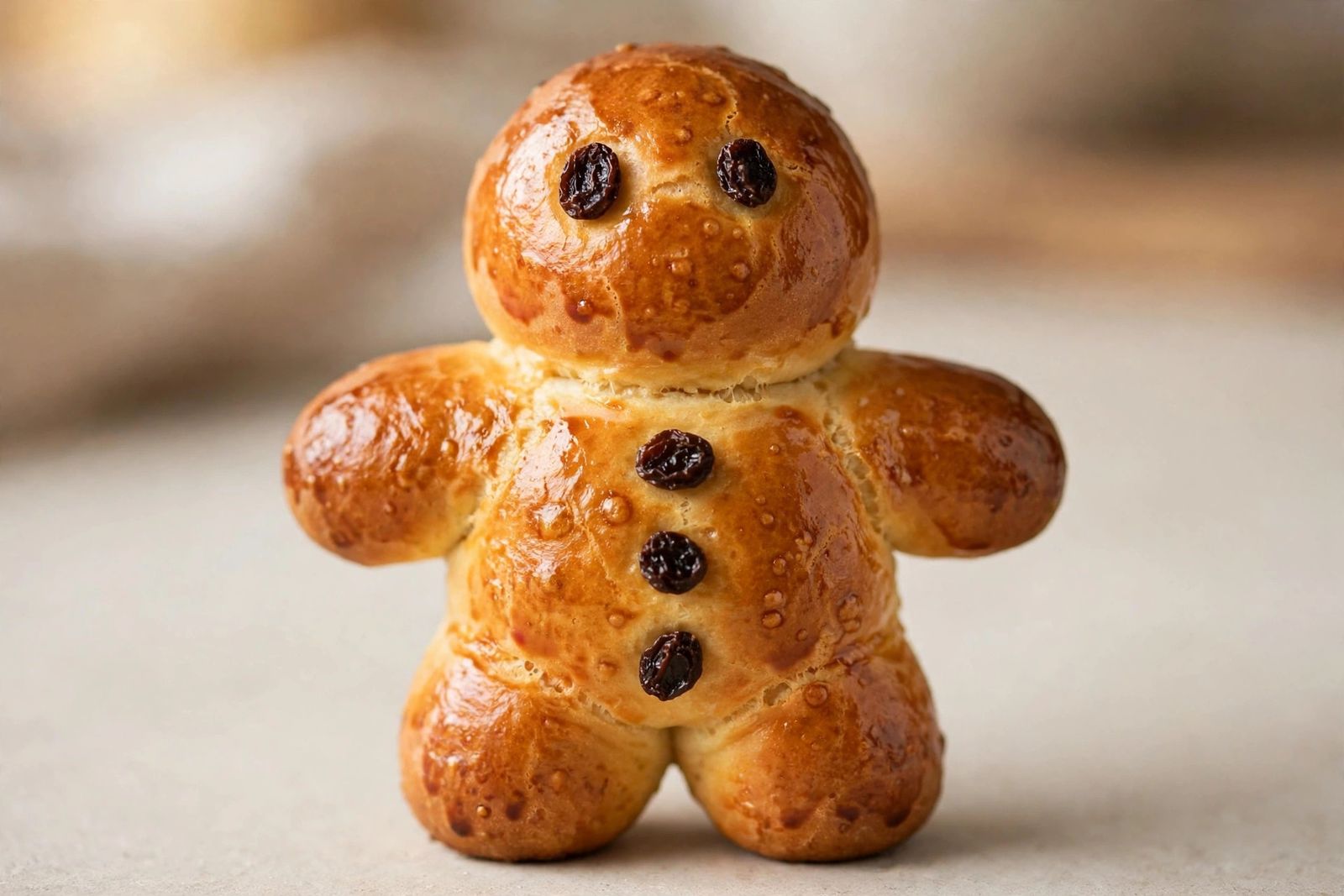
Weckmann

Also known as Stutenkerl in Rhineland, Germany

Rhineland, GermanyAutumnSweetContains eggFestiveKids love it

AI-assisted · Human-reviewed · Not kitchen-tested

Allergens: not checked yet. Read the ingredient list and every product label before cooking.

Sign in to save favorites. Sharing instead of copying keeps this library free.

Weckmann

Weckmann

Dough (standard sweet yeast dough)

  • 500 g plain flour
  • 30 g fresh yeast
  • 250 ml lukewarm milk
  • 80 g sugar
  • 80 g soft butter
  • 1 egg
  • 1 pinch salt

Decoration and glaze

  • Raisins, for eyes and buttons
  • 1 egg yolk, beaten with a splash of milk, for brushing
  • Optional: a clay pipe (not for eating)

Method

  1. Dissolve the yeast in the lukewarm milk with 1 tsp of the sugar and leave for 5 minutes.
  2. Beat the butter with the rest of the sugar and the egg until creamy, add the flour, salt and yeast mixture, and knead to a smooth dough.
  3. Cover and let rise in a warm place for about 45 minutes.
  4. Shape the dough into men by hand or cut it out with a template: a round head, body, arms and legs. Place them on a lined baking tray.
  5. Press raisins in for eyes and buttons and let rest 15 minutes. Brush with the egg yolk for a shiny crust.
  6. Bake at about 180 C until golden, around 15 to 20 minutes depending on size. Best eaten fresh.

Sharing instead of copying keeps this library free.

Something went wrong? Rescue this dish3 fixes

Storage & shelf life

Not available yet. We only show storage times backed by food-safety sources, and we haven’t verified this dish yet. If in doubt, throw it out.

Share a storage tip: coming soon

Story behind this dish

The figure originally represented a bishop, either St. Martin or St. Nicholas, which is why early versions held a bishop's crook. How the crook became a clay pipe is disputed: one account says it was changed in the 17th and 18th centuries under Reformation influence to remove religious imagery, while another says the pipe appeared only in the 19th century, when a Westerwald clay-pipe factory in trouble began supplying toy pipes to bakers. Both accounts appear in the sources below, so treat the pipe's origin as uncertain.

Please read: this recipe is ai-assisted · human-reviewed · not kitchen-tested. It was researched with AI assistance, reviewed by a human, and never tested in a kitchen — times, temperatures and quantities may need adjusting. Always use a food thermometer and follow current guidance from authorities such as the USDA. If something looks or smells wrong, don’t eat it. Allergies: ingredient lists are informational and may be incomplete — read every product label yourself, and if you are unsure, don’t eat it. This is not medical or nutritional advice.

Tried it? Tell us.

★★★★★

Submissions are read by our team before anything appears publicly.

Comments

Public, checked by a moderator before they appear.

Editing comments and view counts: coming soon.

Recipe adapted from: Gebas - Weckmann oder Stutenkerl? Die Geschichte eines suessen Hefegebaecks REWE - Der Weckmann Domradio - Diskussion um Weckmann ohne Pfeife Genussregion Oberfranken - Weckmaenner / Stutenkerle — rewritten in our own words.

Keep exploring

Related recipes

Same region first, then the same season.

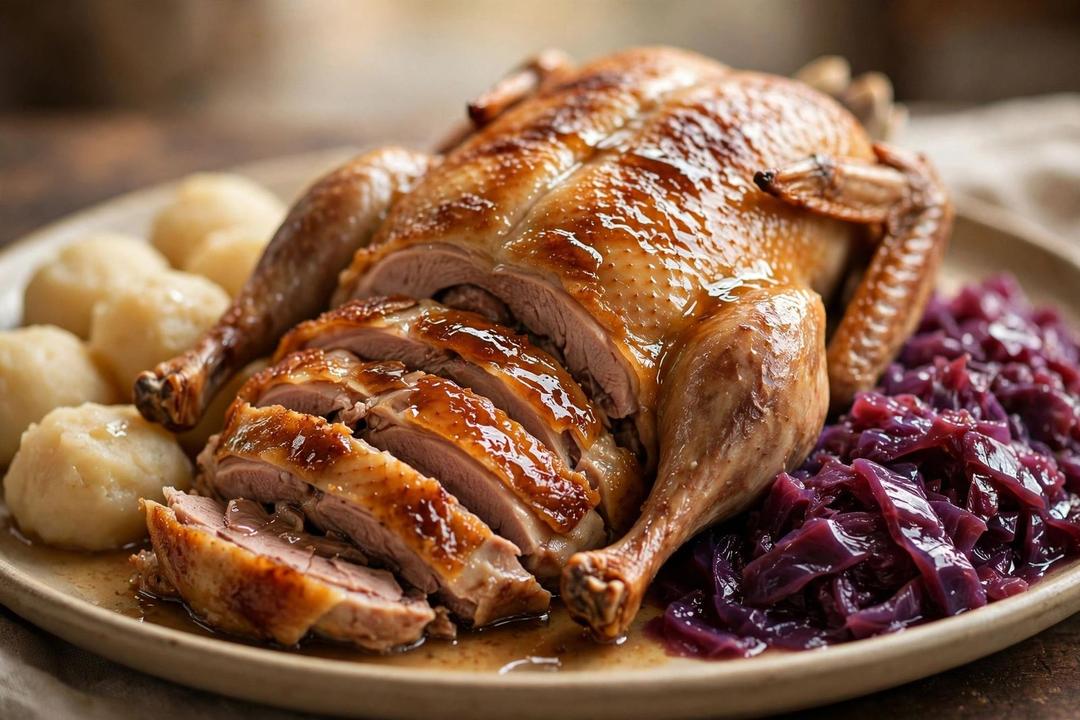
Martinsgans (St. Martin's Roast Goose)

Martinsgans (St. Martin's Roast Goose)

Germany

Also known as Martinigansl in Rhineland, Germany, and Vienna, Austria
MealMeat & Seafood
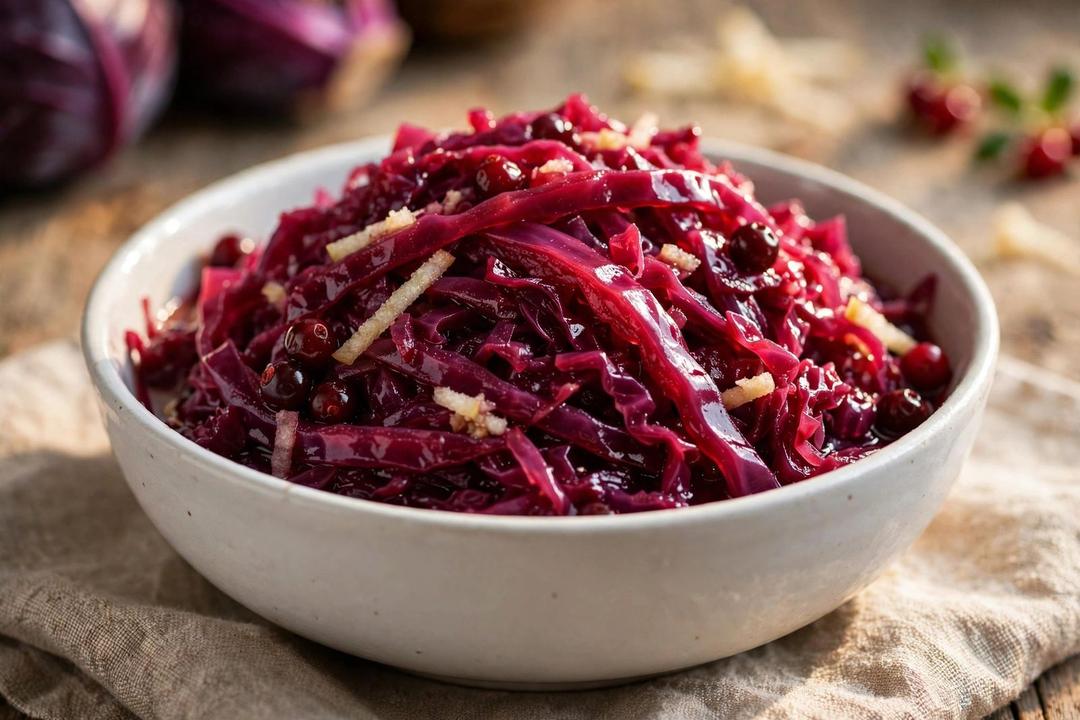
Rotkohl (Sweet-and-Sour Red Cabbage)

Rotkohl (Sweet-and-Sour Red Cabbage)

Germany

Also known as Blaukraut in Germany (Rotkohl in the north, Blaukraut in Bavaria and the south)
MealVegetarian
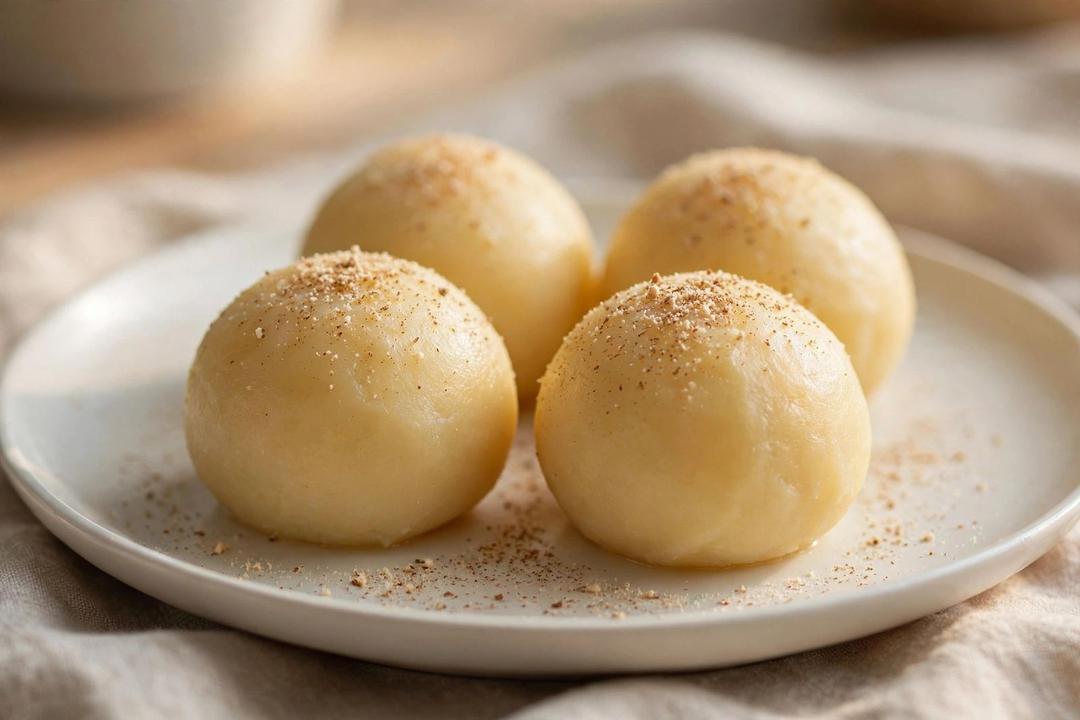
Kartoffelknödel (Potato Dumplings)

Kartoffelknödel (Potato Dumplings)

Germany

Also known as Kartoffelklöße in Bavaria, Germany, and Austria
MealVegetarian