250 g harina de garbanzo [chickpea flour / gram flour]
750 ml cold water
3 tbsp extra-virgin olive oil (aceite de oliva [olive oil])
1 tsp fine salt
1/2 tsp freshly ground black pepper (pimienta negra [black pepper])
Optional: 1 tsp dried oregano (orégano [oregano])
For the pan
2 tbsp olive oil, for greasing the tray
The tomato-cheese topping
400 g ripe tomatoes (tomate [tomato]), crushed — or canned crushed tomatoes
1 clove ajo [garlic], minced
2 tbsp olive oil
1/2 tsp dried oregano
Salt to taste
150 g mozzarella, torn or grated
Method
Whisk the chickpea flour with the water until completely smooth — no lumps. Whisk in the olive oil, salt, pepper (and oregano). Let the batter rest 30 minutes (up to 2 hours) at room temperature; the flour hydrates and the interior stays creamy.
Meanwhile make the topping: warm the olive oil, soften the garlic 1 minute, add the crushed tomatoes, oregano and salt; simmer 12–15 minutes until thick and jammy.
Place a heavy oven tray (or cast-iron pan) in the oven and heat to 230°C (450°F) — tray ripping hot is the trick to a crisp base.
Oil the hot tray well, pour in the batter in a thin, even layer. Bake 18–22 minutes until the top is golden with dark freckles and the edges are crisp.
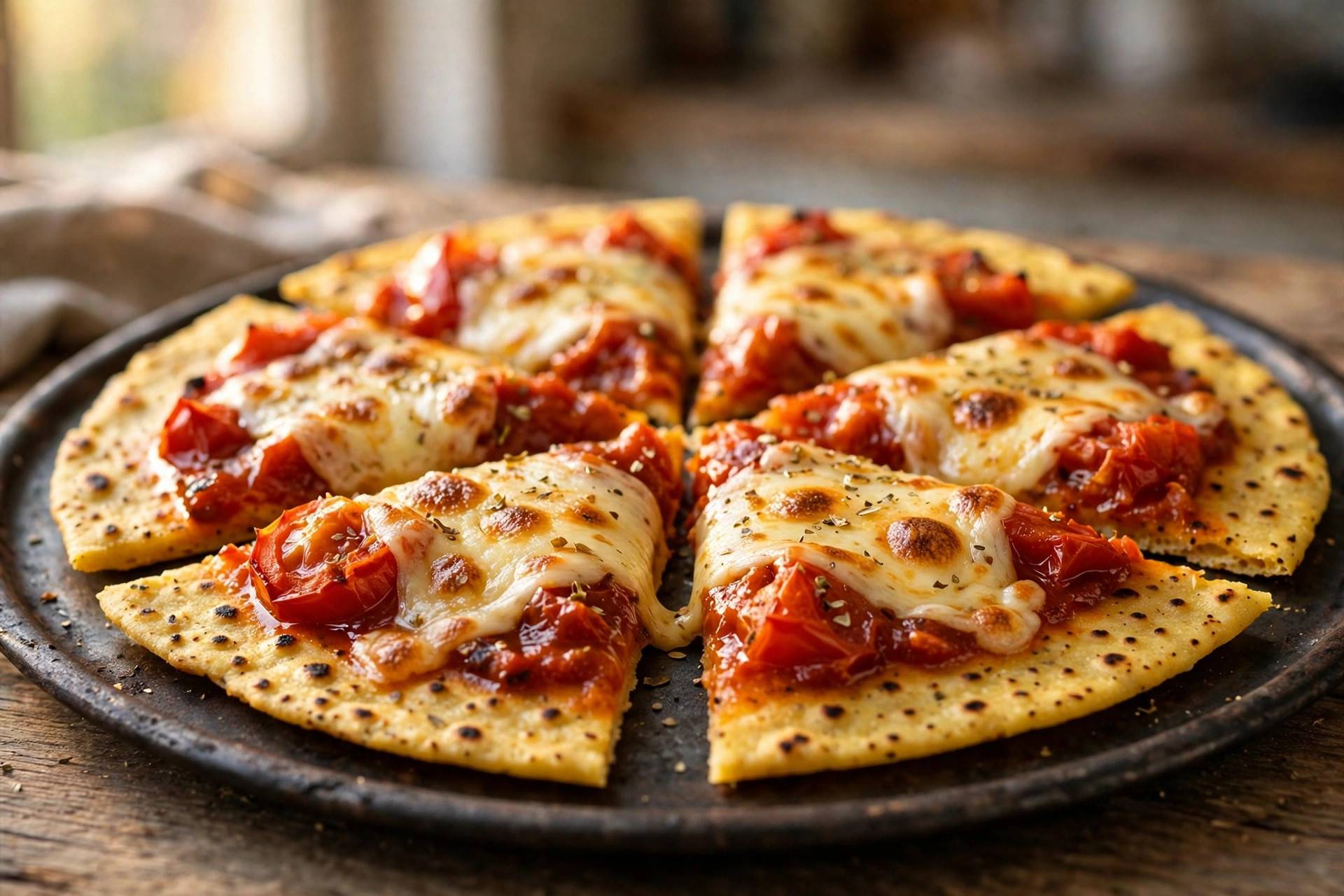
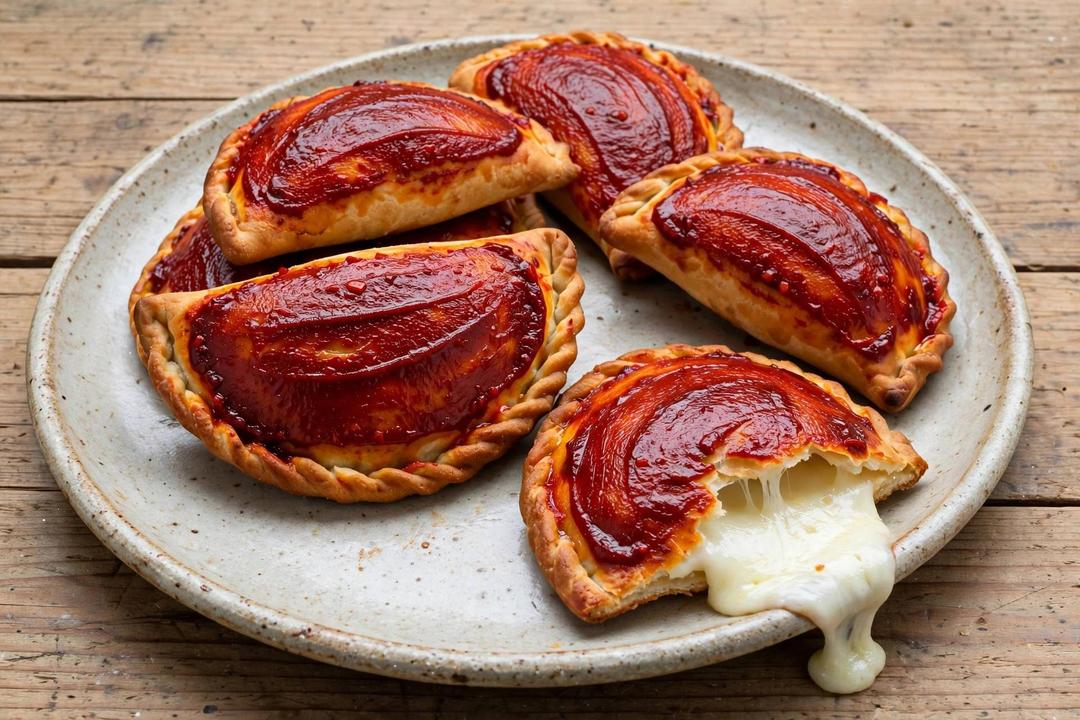
Spread the tomato sauce over, scatter the mozzarella, and return to the oven 3–5 minutes (or under the broiler) until the cheese melts and bubbles.
Rest 5 minutes, slice into wedges. Serve hot — on its own, or pizza a caballo style: a slice of fainá laid on top of your pizza slice.
Sharing instead of copying keeps this library free.
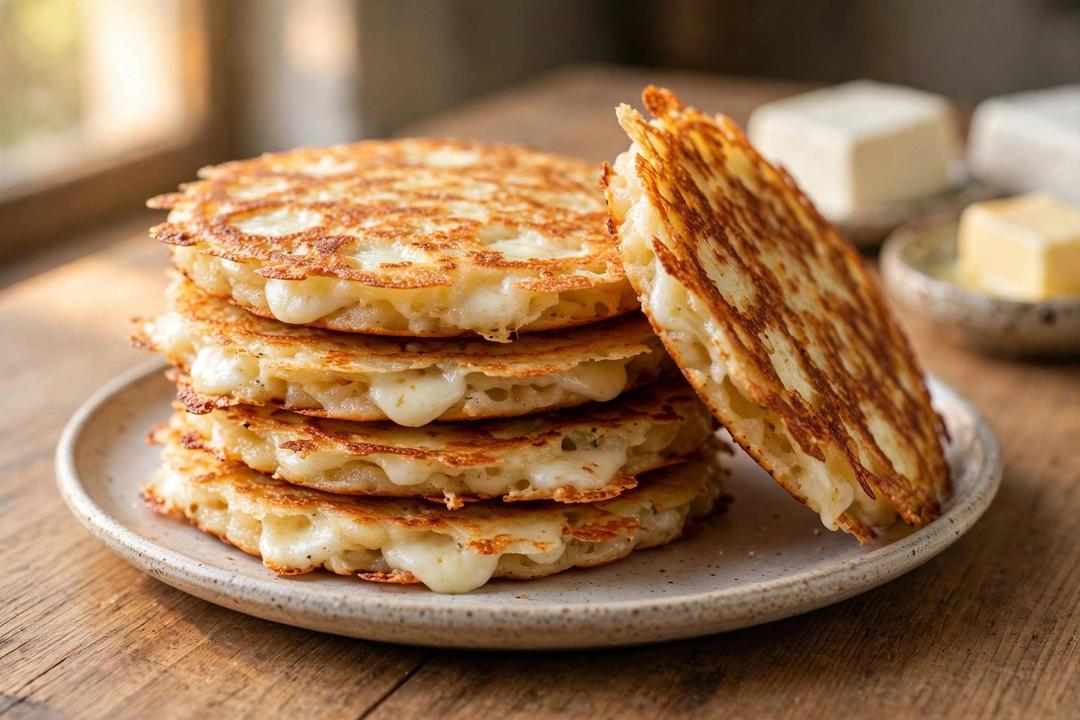
Plain fainá wedges with just melted mozzarella — the classic kid order at Montevideo pizzerias; they can also be baked in a muffin tin as mini rounds. Allergy: legumes (chickpea). Naturally gluten-free, nut-free, soy-free.
“Kids love it” means flavors young taste buds enjoy — not safety for every child. Adults must supervise knives, heat and appliances — written for adults to prepare with children.
Storage & shelf life
Not available yet. We only show storage times backed by food-safety sources, and we haven’t verified this dish yet. If in doubt, throw it out.
Share a storage tip: coming soon
Story behind this dish
Fainá sailed from Genoa with Ligurian immigrants in the late 1800s — fainâ is the Genovese-dialect name for the chickpea flatbread they recreated in the New World. In Uruguay it became pizzeria ritual: order pizza a caballo ('horseback pizza') and the waiter lays a slice of fainá right on top of your pizza slice. Montevideo families eat it communally, pizza a la pala — a yard-long pizza cut into many small slices, with fainá on the side.
Please read: this recipe is ai-assisted · human-reviewed · not kitchen-tested. It was researched with AI assistance, reviewed by a human, and never tested in a kitchen — times, temperatures and quantities may need adjusting. Always use a food thermometer and follow current guidance from authorities such as the USDA. If something looks or smells wrong, don’t eat it. Allergies: ingredient lists are informational and may be incomplete — read every product label yourself, and if you are unsure, don’t eat it. This is not medical or nutritional advice.
Tried it? Tell us.
Submissions are read by our team before anything appears publicly.
Comments
Public, checked by a moderator before they appear.