Home / Recipes / Bolivia / Llauchas — La Paz cheese pastries, eaten with api
Llauchas — La Paz cheese pastries, eaten with api
BoliviaSpringSnackVegetarianKids love it
AI-assisted · Human-reviewed · Not kitchen-tested
Allergens: not checked yet. Read the ingredient list and every product label before cooking.
Sign in to save favorites. Sharing instead of copying keeps this library free.
Llauchas — La Paz cheese pastries, eaten with api
The dough (first — mixed and set to rise)
3 cups sifted harina de trigo [wheat flour]
4 tbsp manteca vegetal [vegetable shortening]
1 tsp salt
2 tsp sugar (1 tsp for blooming the yeast)
1 tbsp fresh or dry yeast
1½ cups warm water
The creamy cheese filling (while the dough rises)
1 piece butter
1 tbsp flour
2 tbsp ají colorado [red chili pepper paste]
Water as needed
1 medium mild cheese [queso criollo/fresh cheese — not very salty], crumbled or grated
1 spoonful extra flour
To seal & paint (last)
Water for sealing edges
2 tbsp ají colorado molido [ground red chili paste] cooked in a little hot oil — the red paint
Method
Work the flour and shortening together until manageable. Bloom the yeast in ½ cup warm water with 1 tsp sugar; dissolve the salt and remaining sugar in the rest of the warm water. Combine everything and knead like bread dough until smooth; form egg-sized balls, cover with cloths, and rest in a warm place until doubled.
For the filling: cook the red chili paste in a little hot oil and divide in two. In a saucepan, melt the butter, add the flour, and cook gently, stirring, at least two minutes; add one portion of the cooked chili and enough water to make a thin, yogurt-like liquid; cool. Mix in the crumbled cheese — it should be creamy and thick.
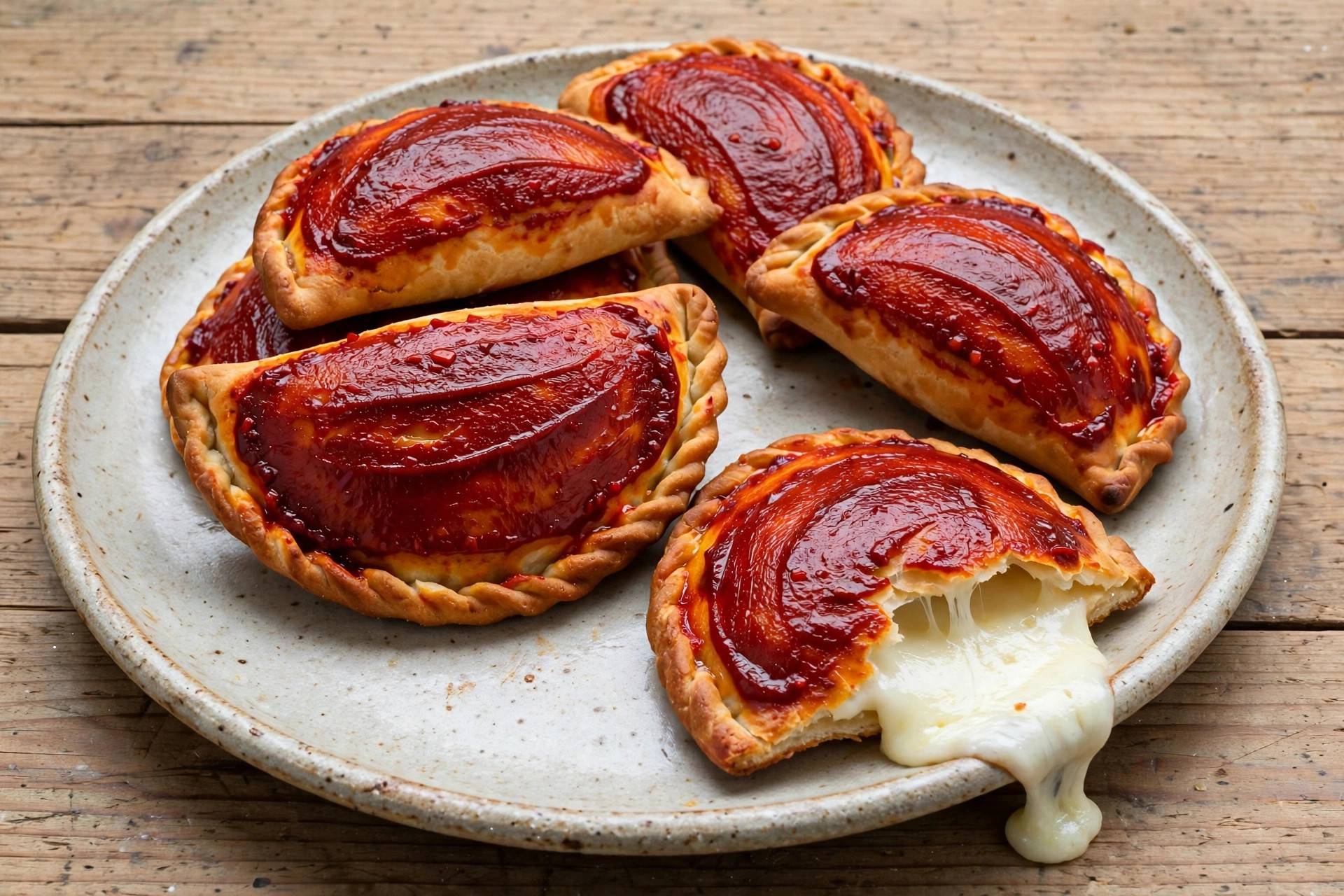
Stretch each risen ball with an uslero [rolling pin] into an oval about ½ cm thick. Spoon the cheese mixture on one half, brush the edges with water, fold over, press well, and crimp the edge (repulgar [to crimp the pastry edge]) with the reserved cooked chili.
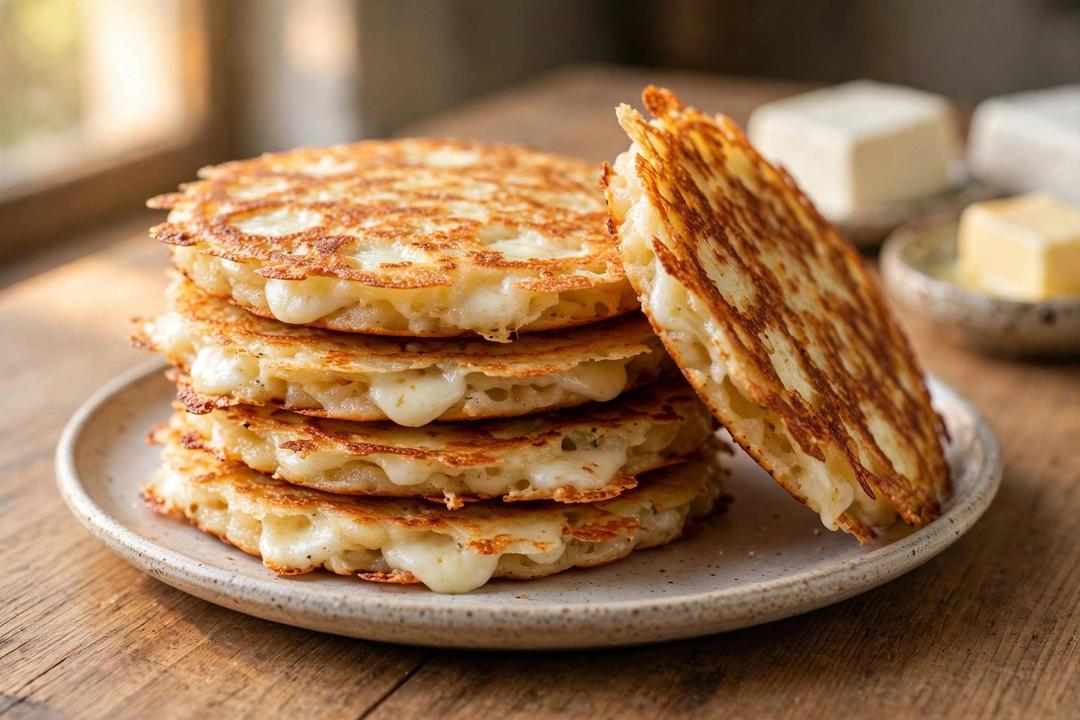
Bake at high heat (200°C / 390°F) 20–30 minutes until golden and the base is browned. Serve hot — classically with a cup of api [thick hot drink of purple corn — api morado — with cinnamon, the classic llaucha companion].
Sharing instead of copying keeps this library free.
Llauchas are a genuine La Paz children's breakfast staple — kids buy them warm from street vendors on the way to school, eaten with api. The natural kid tweak is the real one: a mild version without the ají paint (plain golden), which is how many kids already eat them. Allergy: contains gluten (wheat) and dairy (cheese, butter); no egg in this documented form. The chili paint is the main kid-irritant — skip it for the kid version.
“Kids love it” means flavors young taste buds enjoy — not safety for every child. Adults must supervise knives, heat and appliances — written for adults to prepare with children.
Storage & shelf life
Not available yet. We only show storage times backed by food-safety sources, and we haven’t verified this dish yet. If in doubt, throw it out.
Share a storage tip: coming soon
Story behind this dish
Unlike salteña — whose origin is documented — the llaucha has no documented origin story; its invention is not recorded in Bolivian food histories, and none is invented here. What is documented is its place in La Paz life: warm, cheesy pastries sold from stands at dawn, the smell 'hard to walk past,' eaten with api as the iconic Altiplano breakfast. Family recipes are famously guarded secrets — famous vendors draw queues of locals every morning. The honest beat: some dishes are famous for where they're from; the llaucha is famous for when — cold mornings in La Paz.
Please read: this recipe is ai-assisted · human-reviewed · not kitchen-tested. It was researched with AI assistance, reviewed by a human, and never tested in a kitchen — times, temperatures and quantities may need adjusting. Always use a food thermometer and follow current guidance from authorities such as the USDA. If something looks or smells wrong, don’t eat it. Allergies: ingredient lists are informational and may be incomplete — read every product label yourself, and if you are unsure, don’t eat it. This is not medical or nutritional advice.
Tried it? Tell us.
Submissions are read by our team before anything appears publicly.
Comments
Public, checked by a moderator before they appear.